Back
BackHOW. DO. WE. BUILD. AGAIN.
From what do we build? How should we build? What can we learn from the old?
What must we unlearn from the new?
How. Do. We. Build. Again.
The big challenges facing architecture are clear—resource scarcity, climate urgency—so our question is precise: How do we build without using new materials? By looking at materials and waste differently. By joining and processing better. By letting the old become the new. By questioning our aesthetic preferences. This studio invites you to think about how we can build again. We start with the materials and zoom out to the building. From close up to a finished project. From detail to building. Making the future from what is already here.
The studio will be organised in 3 actions, each anchored in a conversation reflecting on how do we build again, given current societal, economic and environmental challenges. For the first two actions, you will work individually, while the third action will be done in groups of two. Each action builds upon the previous, exploring making as thinking, starting from what already exists.
Action 1: MATERIALS
What materials are there? How can they be disassembled? How can they be reassembled? What can we do with leftovers? How can these materials be processed? How are they joined? Which old techniques can we learn from? Which new? How can materials be used again?
We’ve already created everything we need. The challenge is to better understand and find value in what already exists. In the first action, we will visit 3 sites that will become our material bank for the studio. You will work together to photograph, draw, measure, map, and analyse found materials to create a common catalogue, learning from existing examples. You will work individually with the found materials to investigate how they can be processed and reapplied, researching old and new techniques. How can these materials be joined and organised? What aesthetic and functional potential do they contain? Workshops and knowledge-sharing set a common ground–examining the potential within the found materials at 1:1.
Action 2: ASSEMBLY
How do materials create space? How do they make a floor, a wall, a roof, a facade? What new relations can be made? How are different elements connected? How do they perform together? What traces of previous lives remain? What atmosphere do they produce? How do they assemble again?
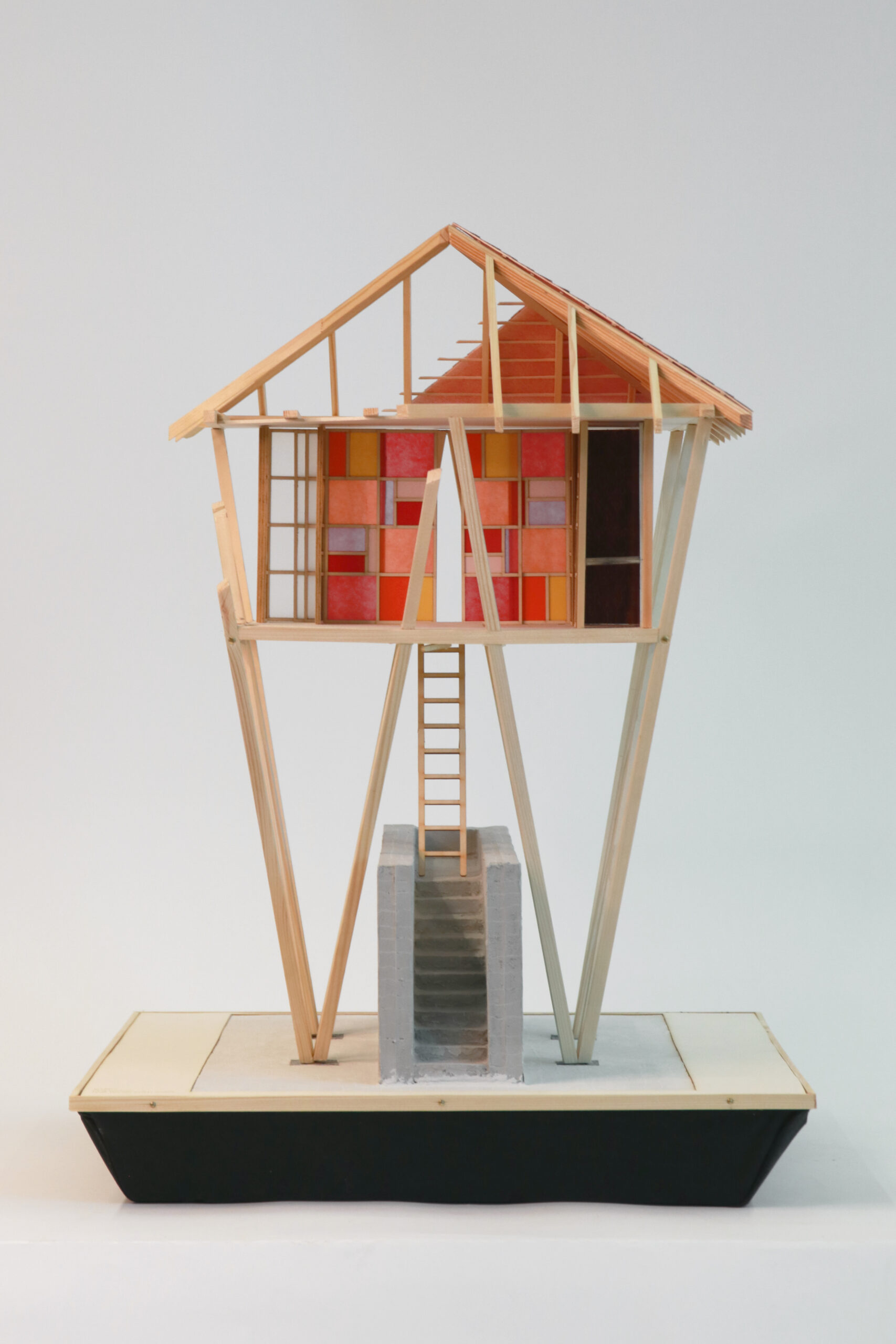
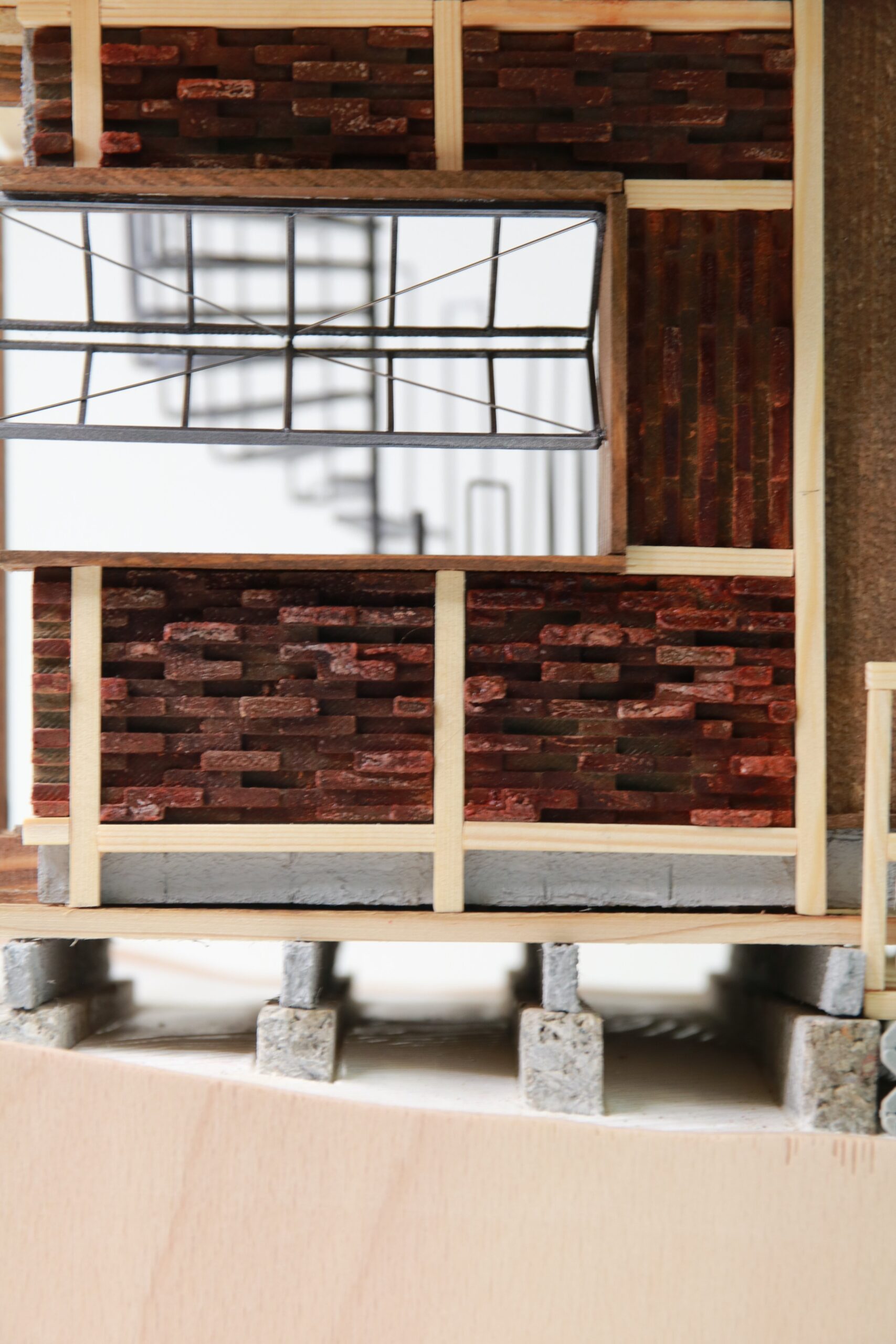
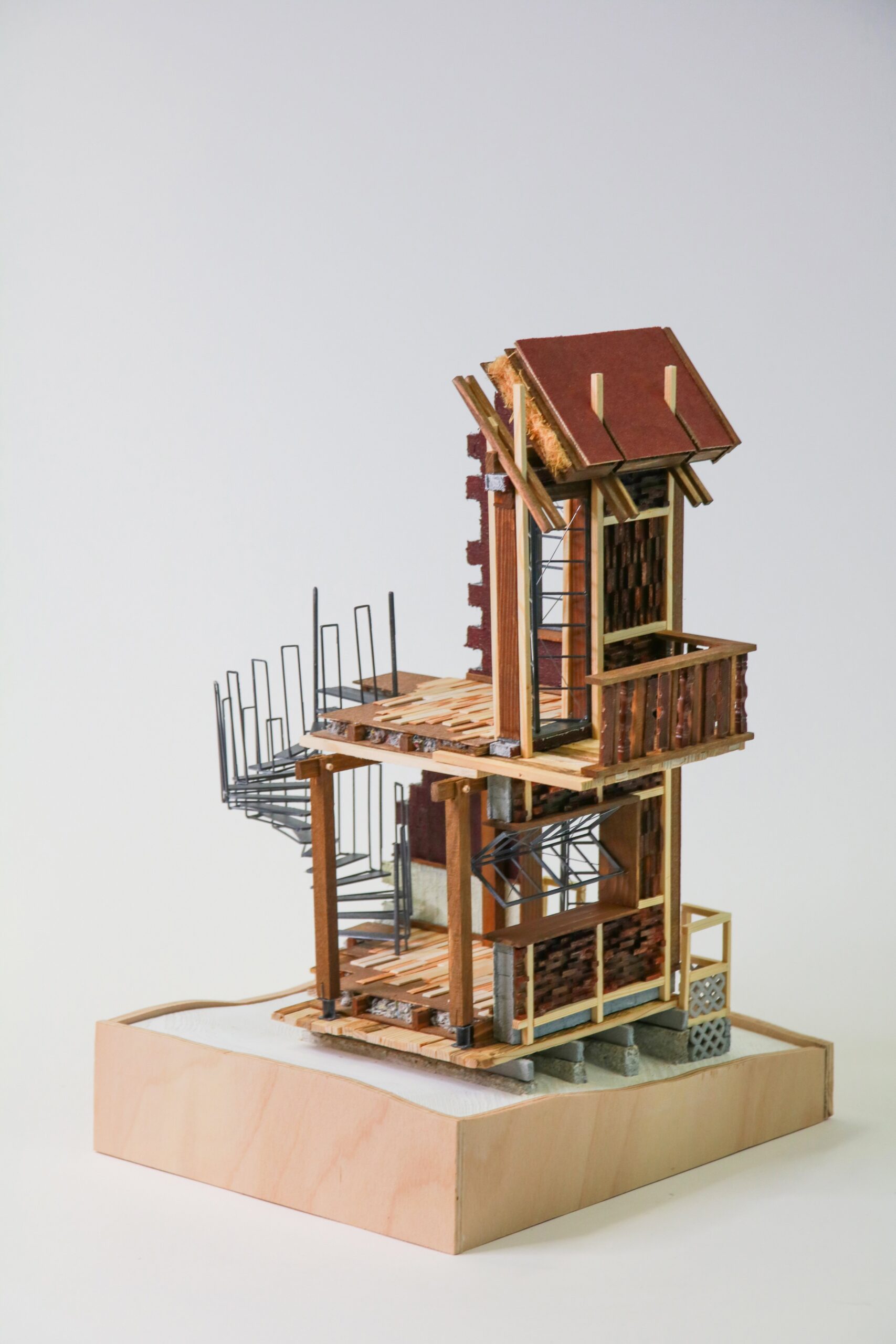
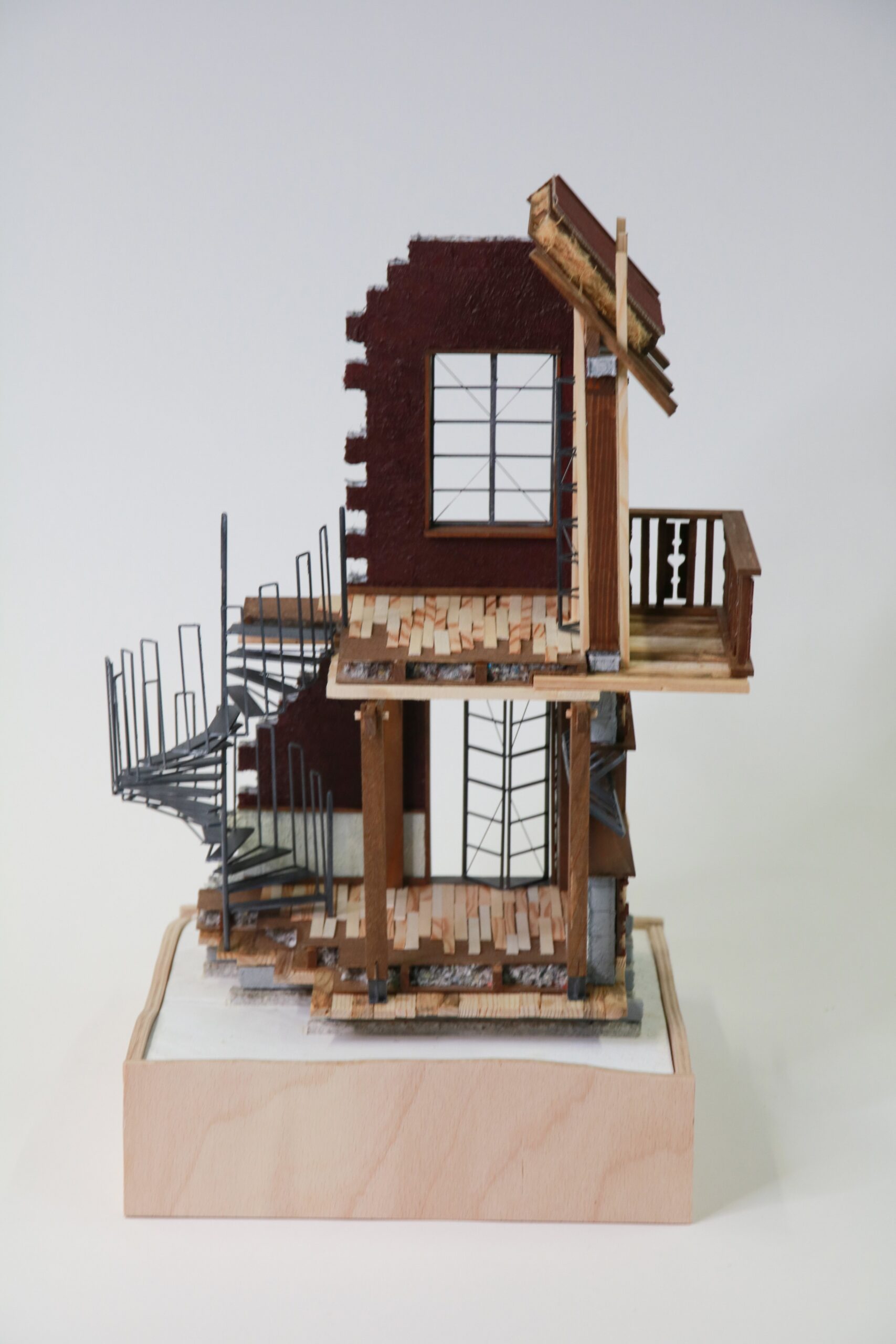
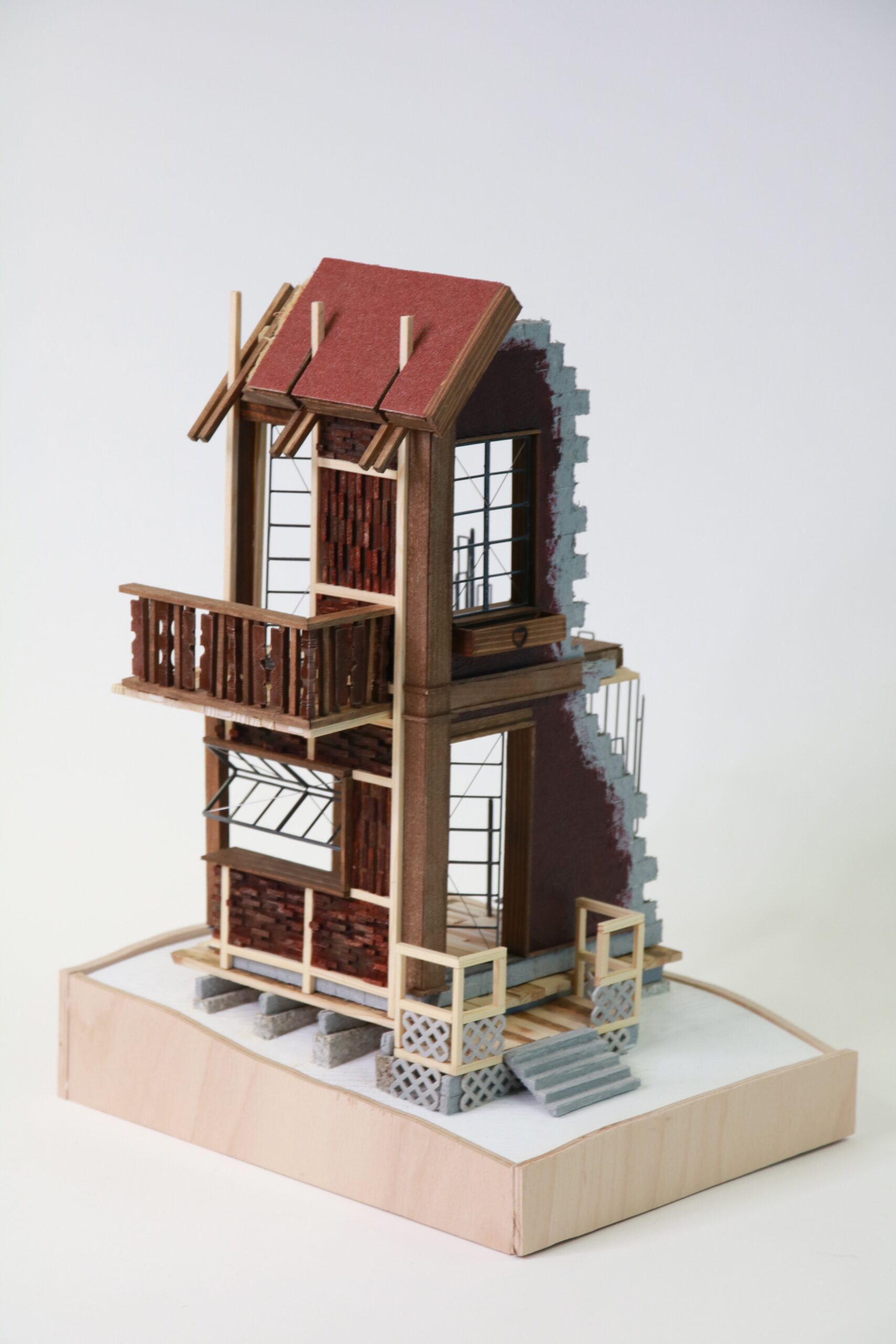
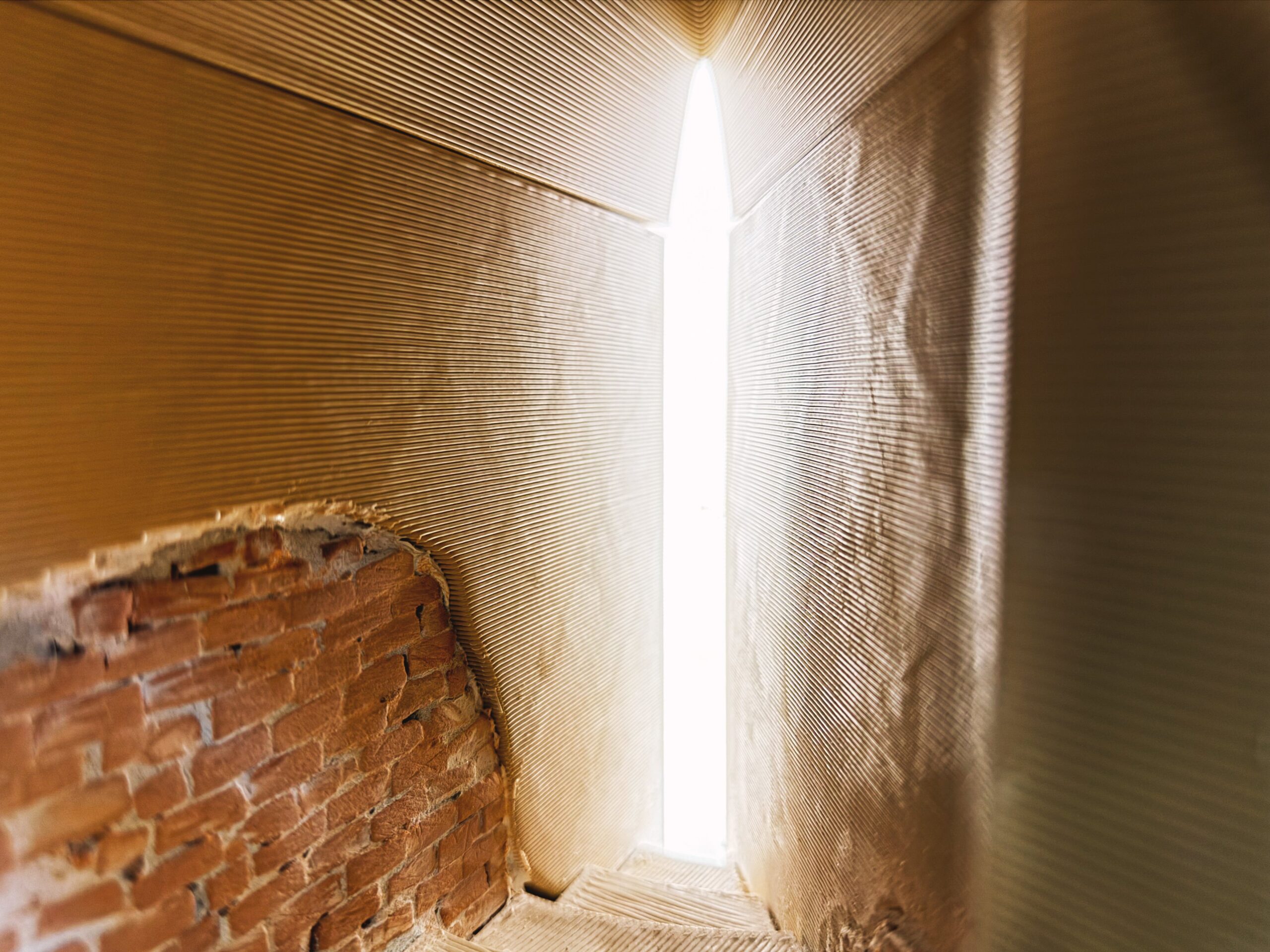
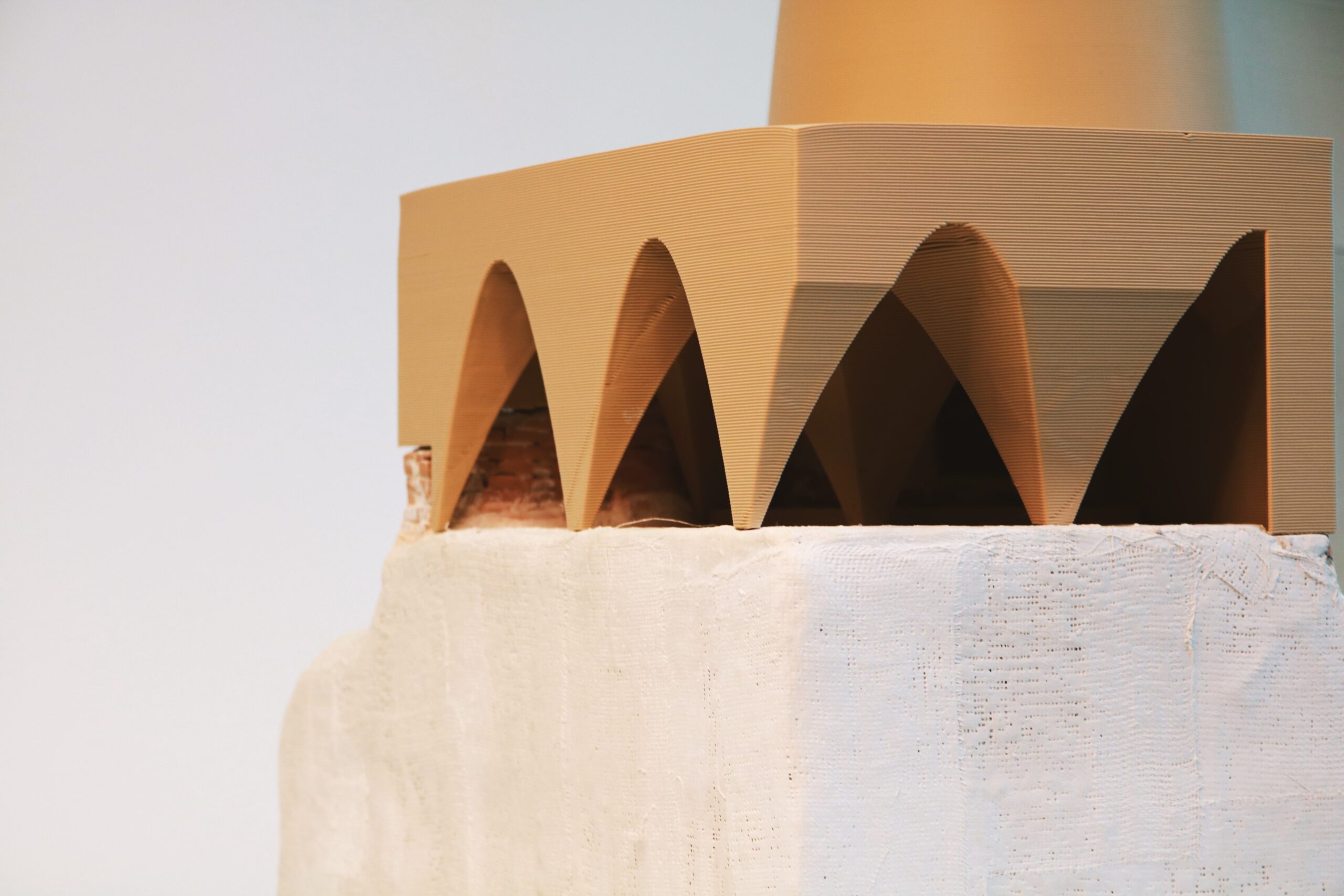
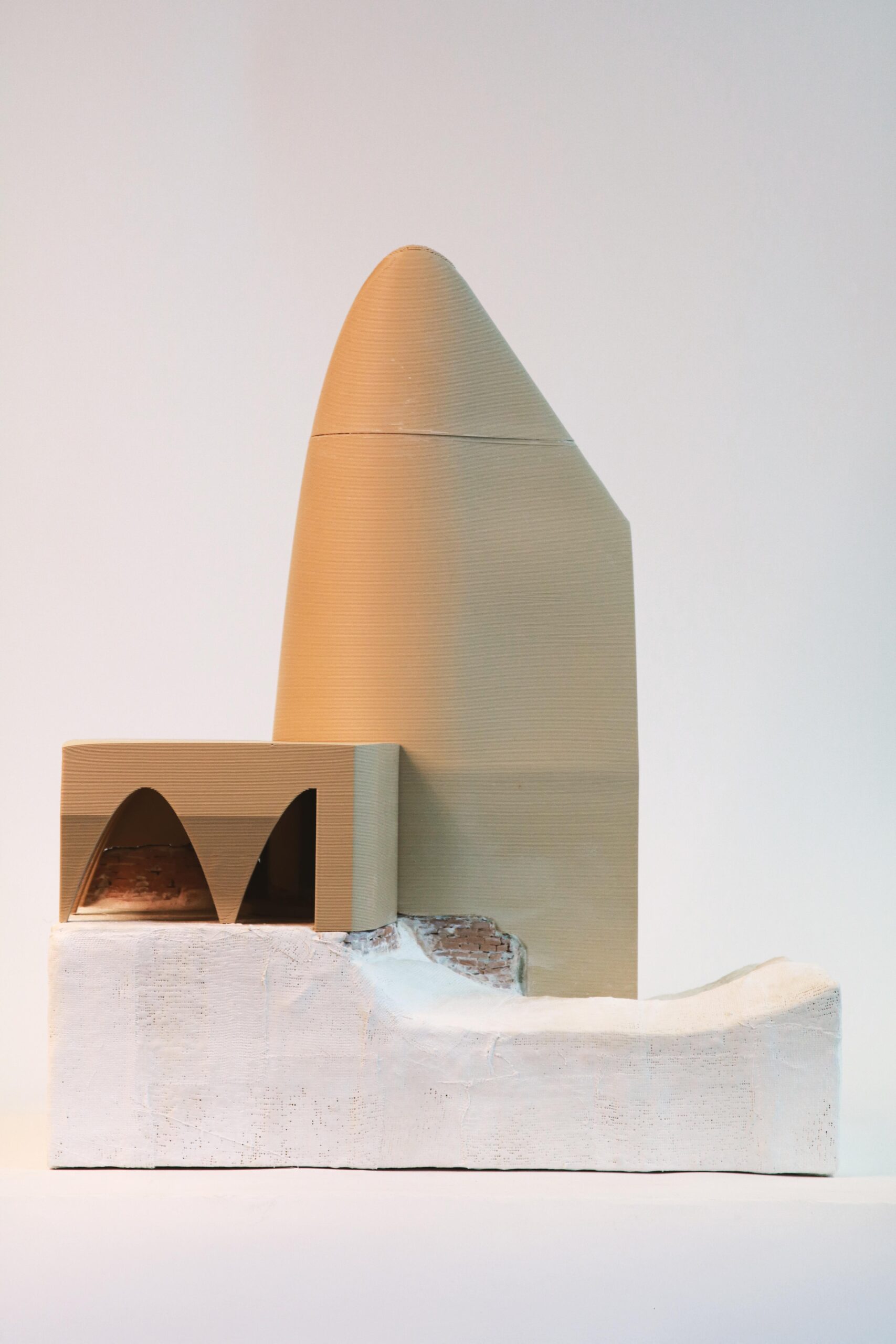
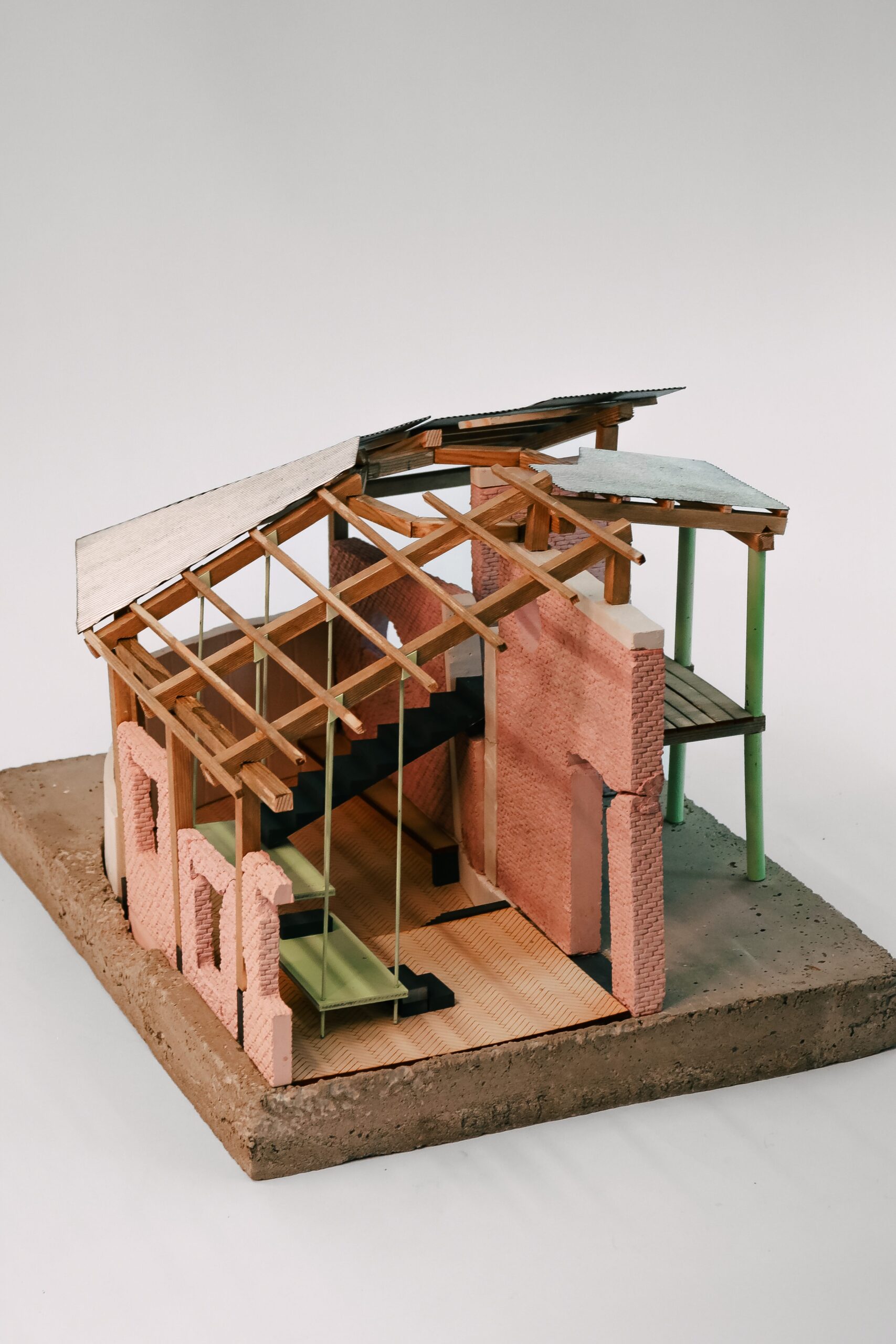
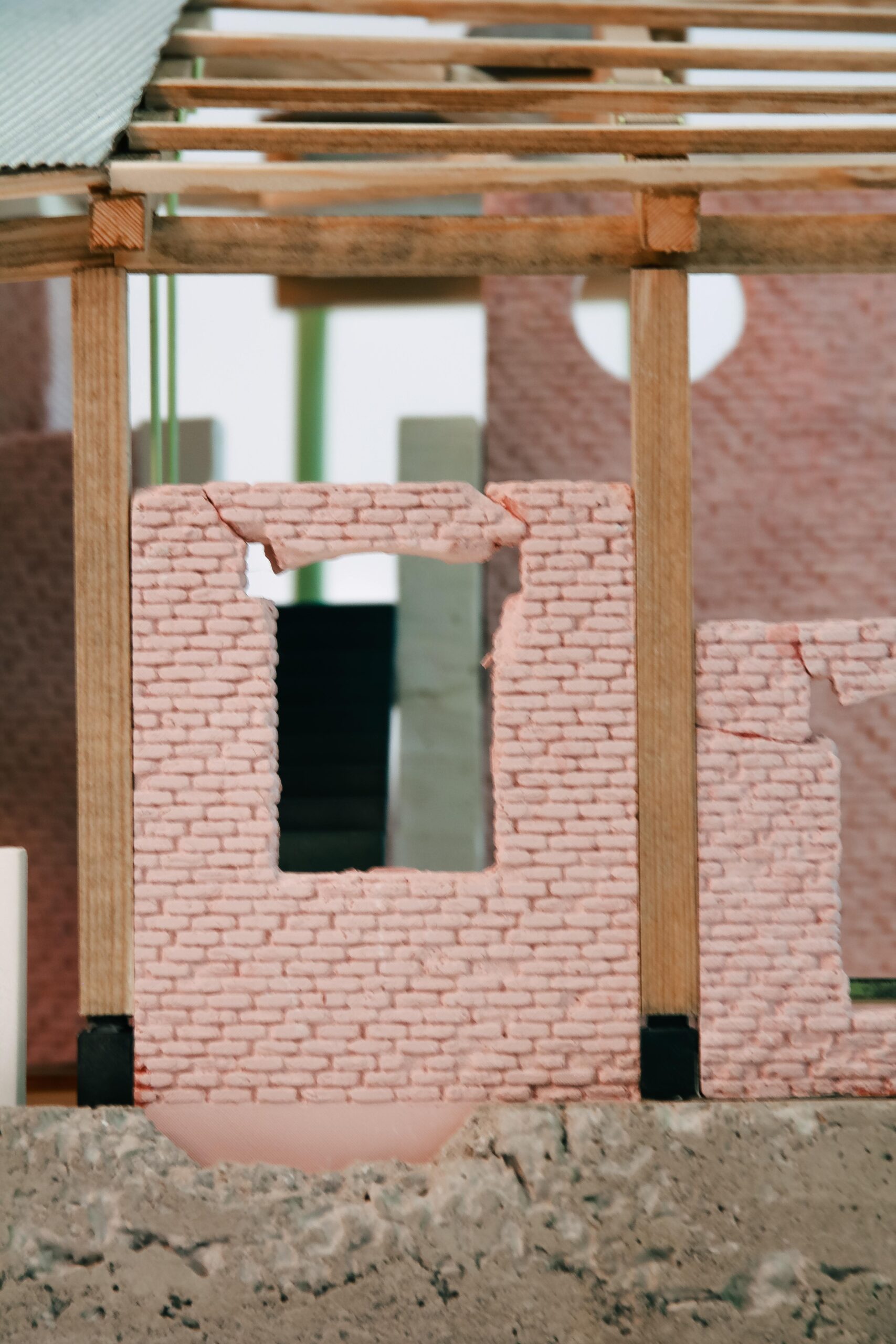
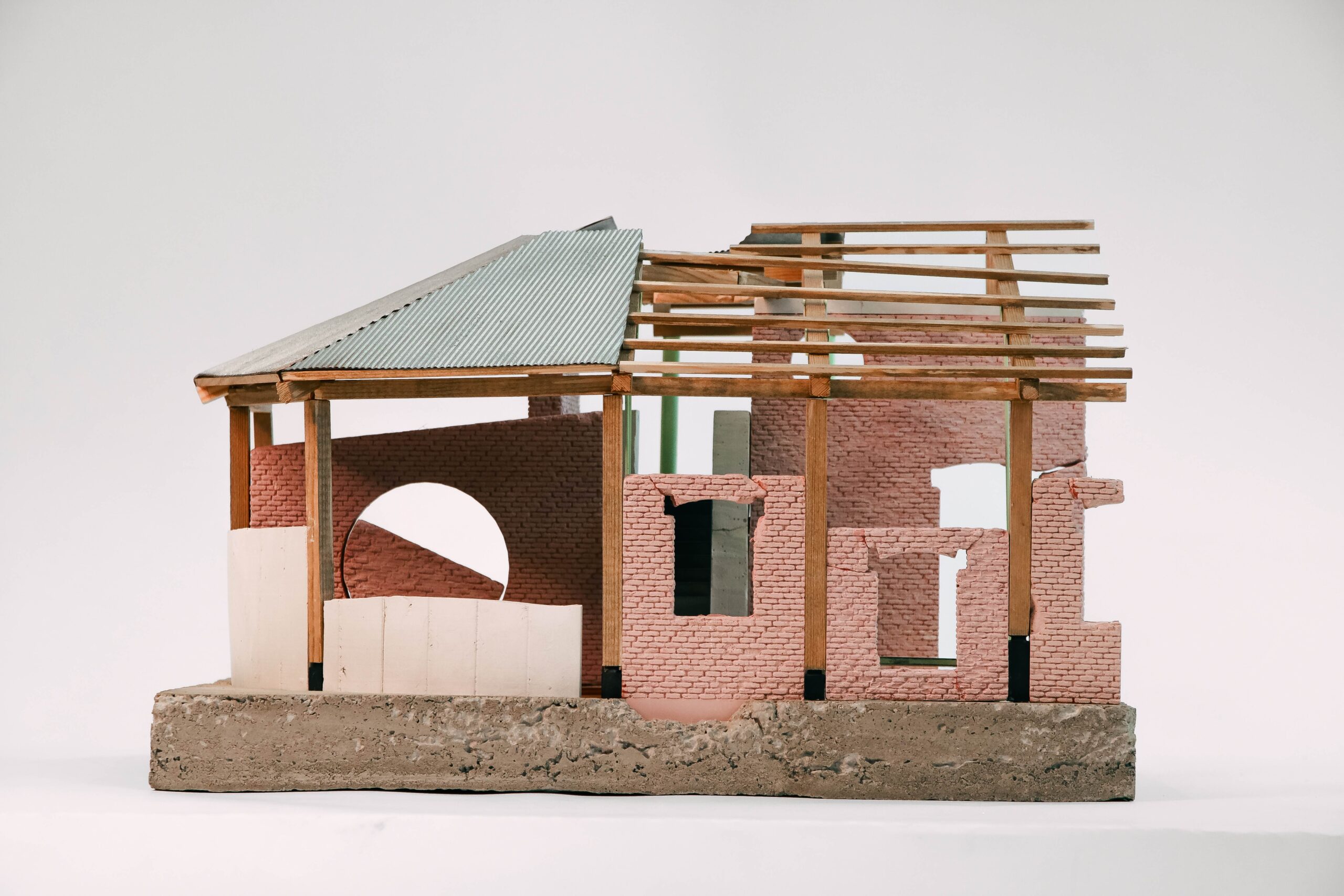
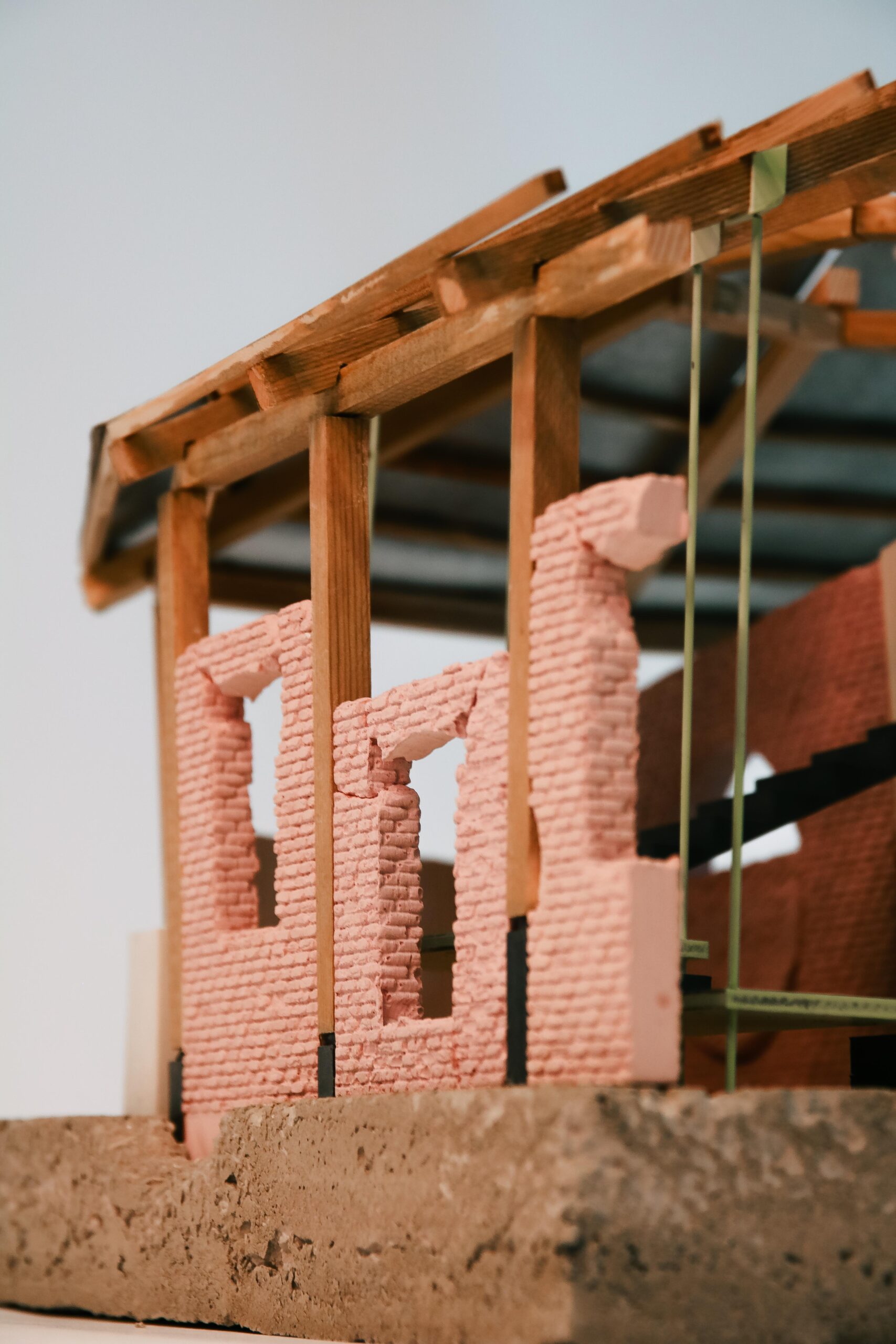
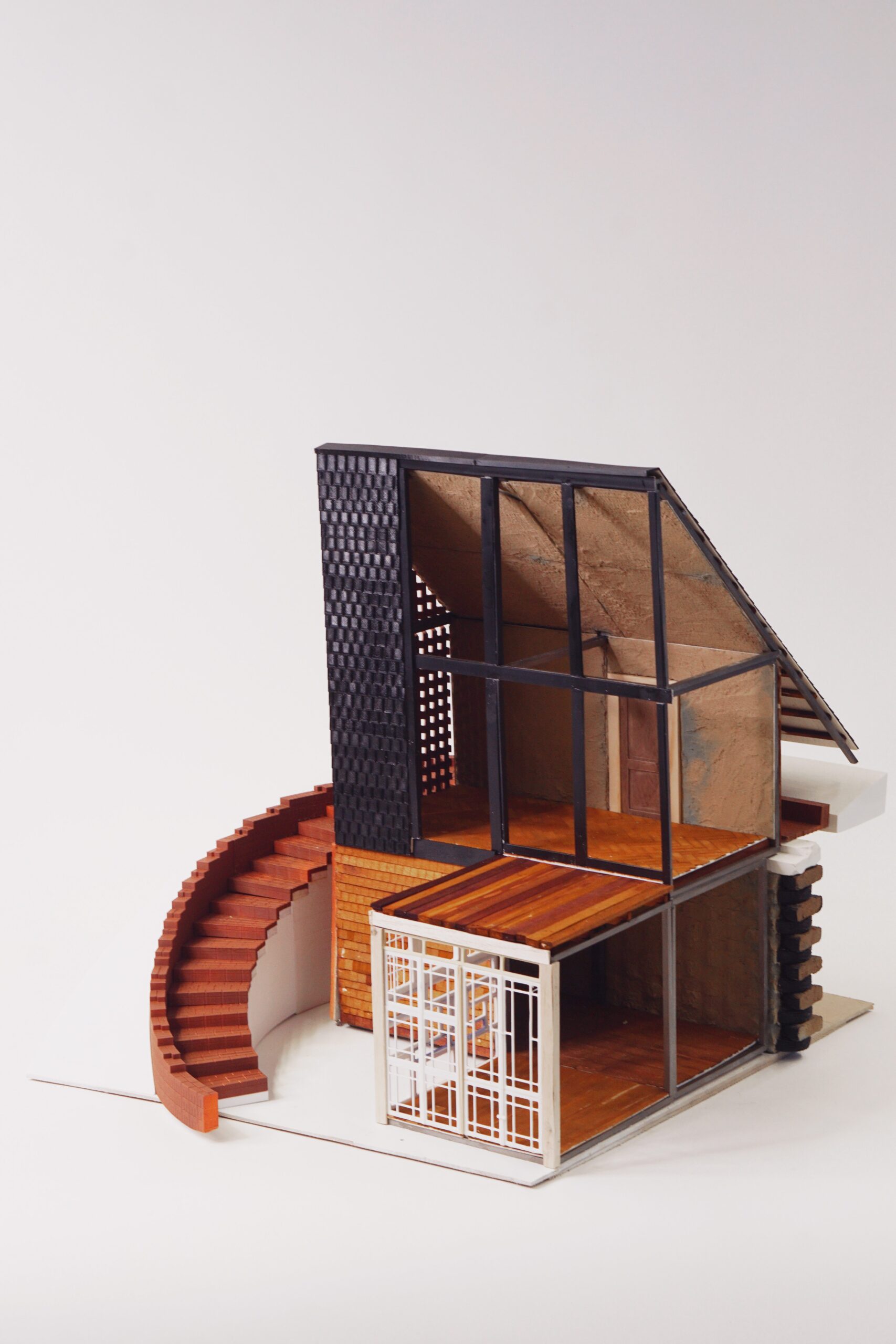
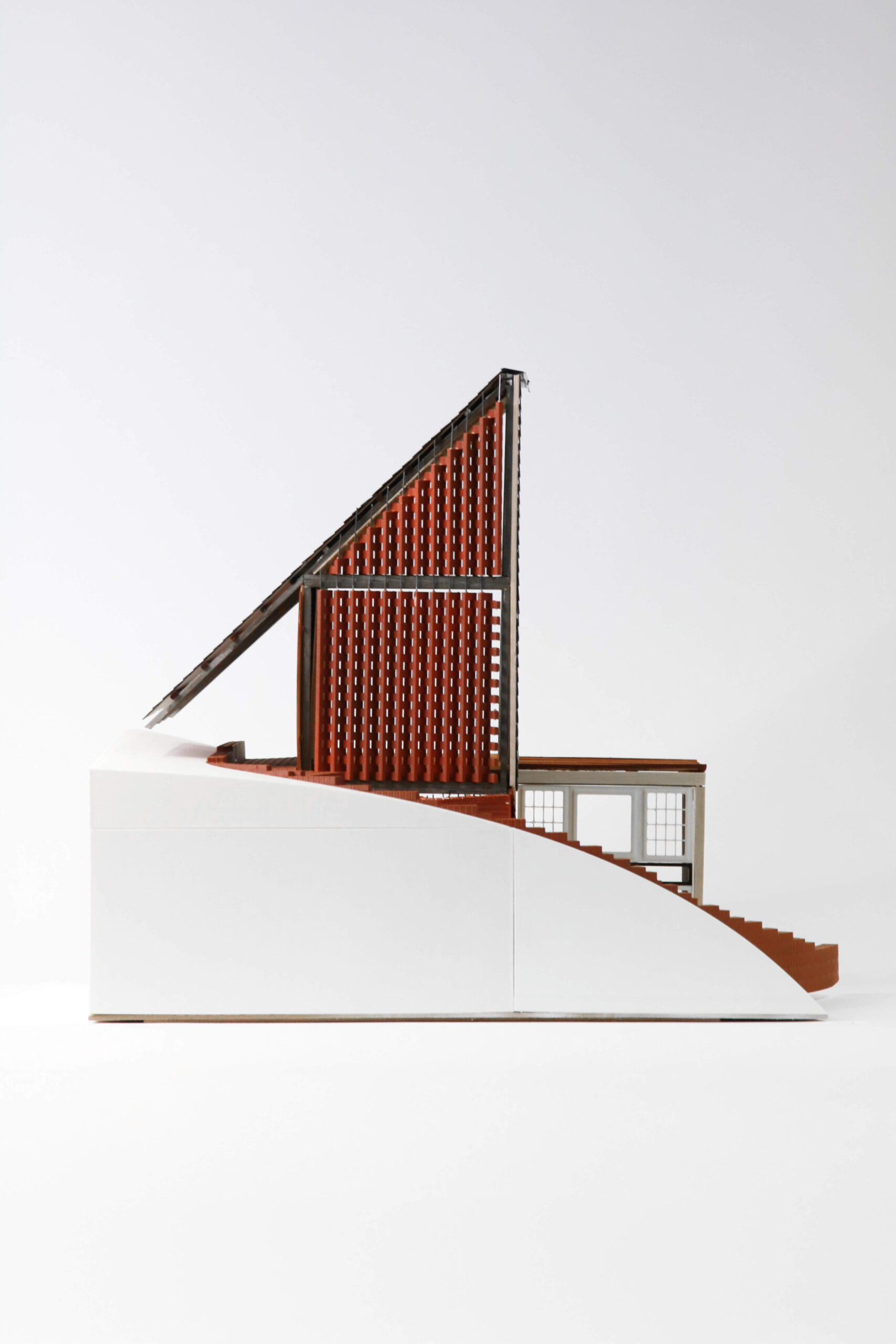
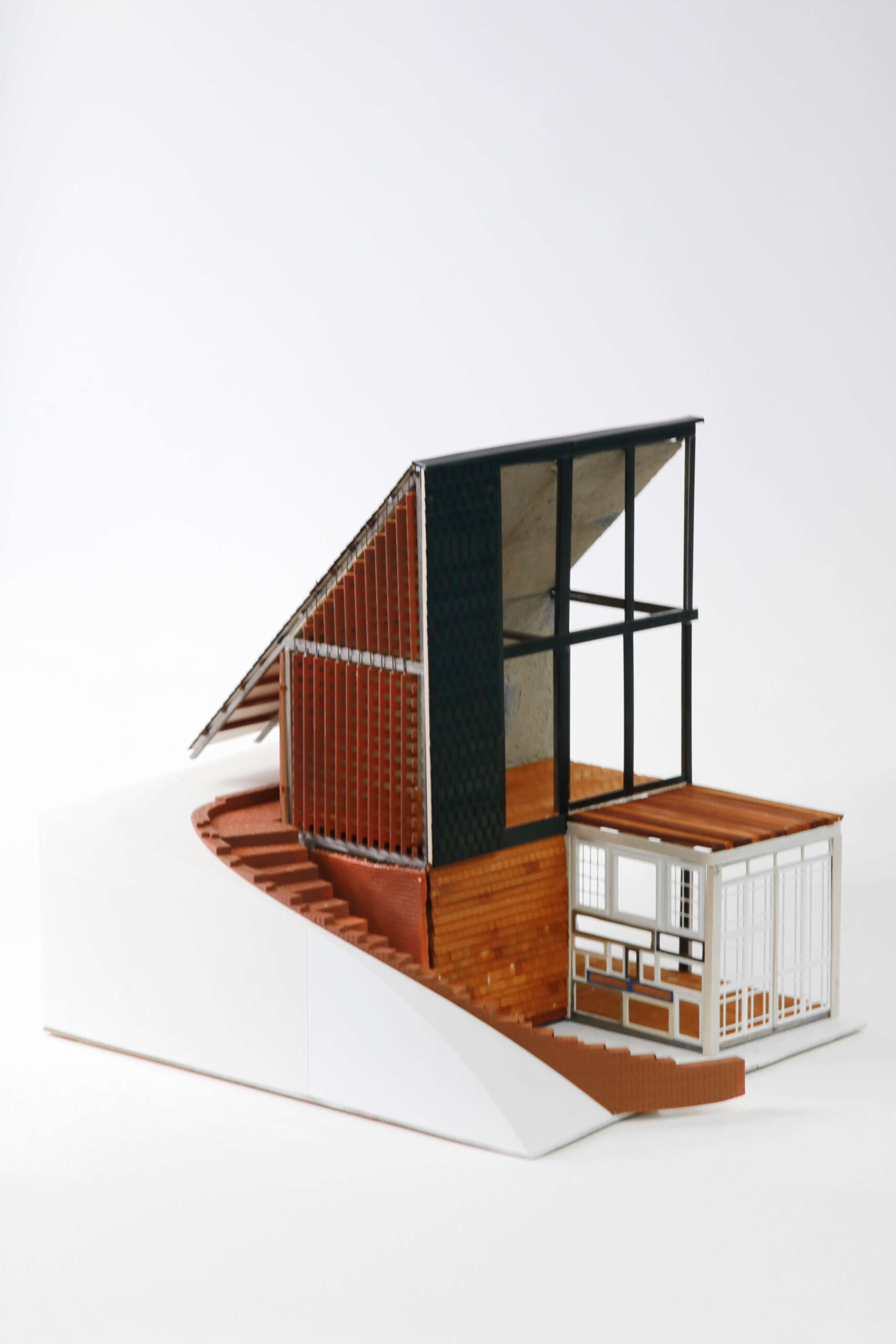
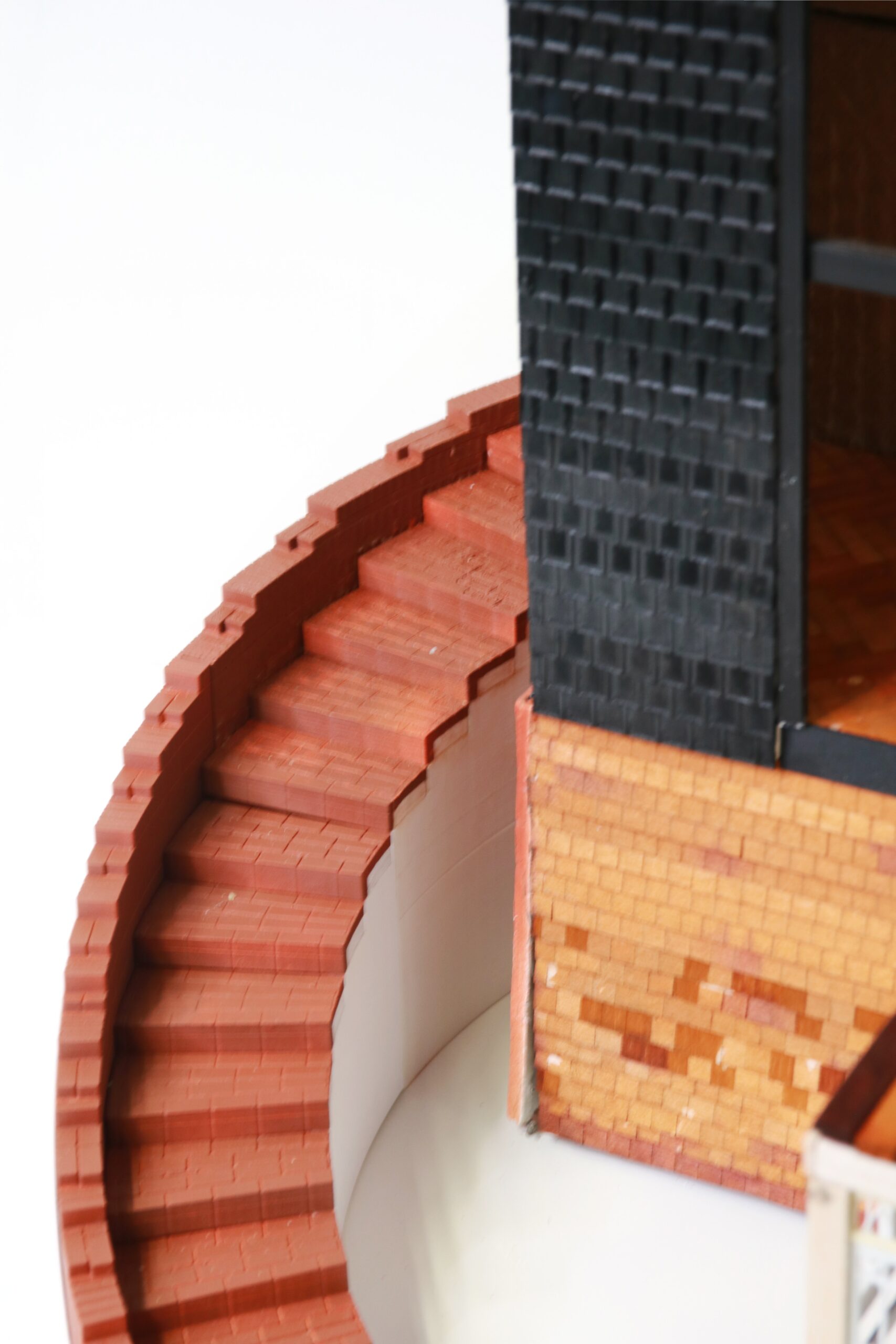
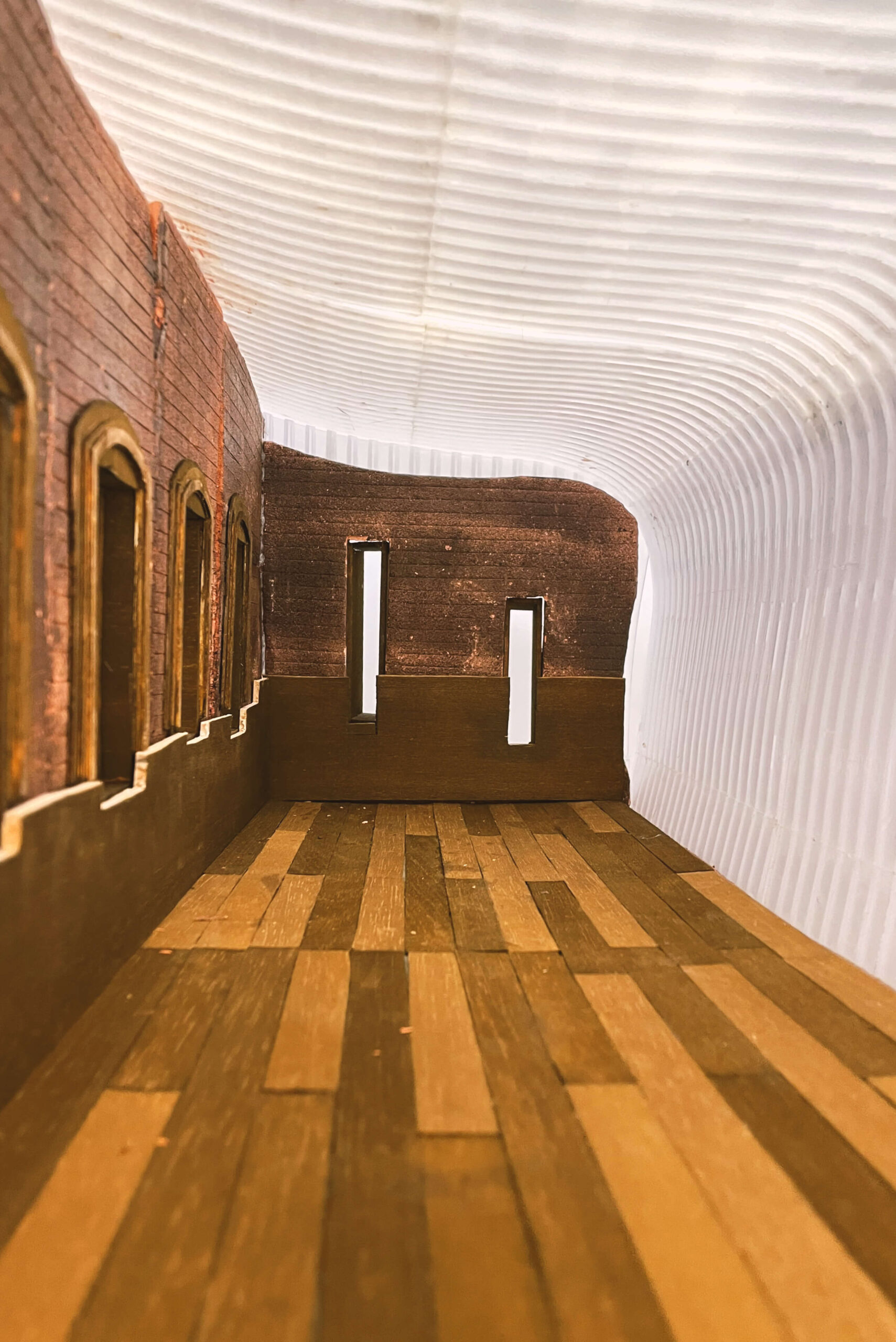
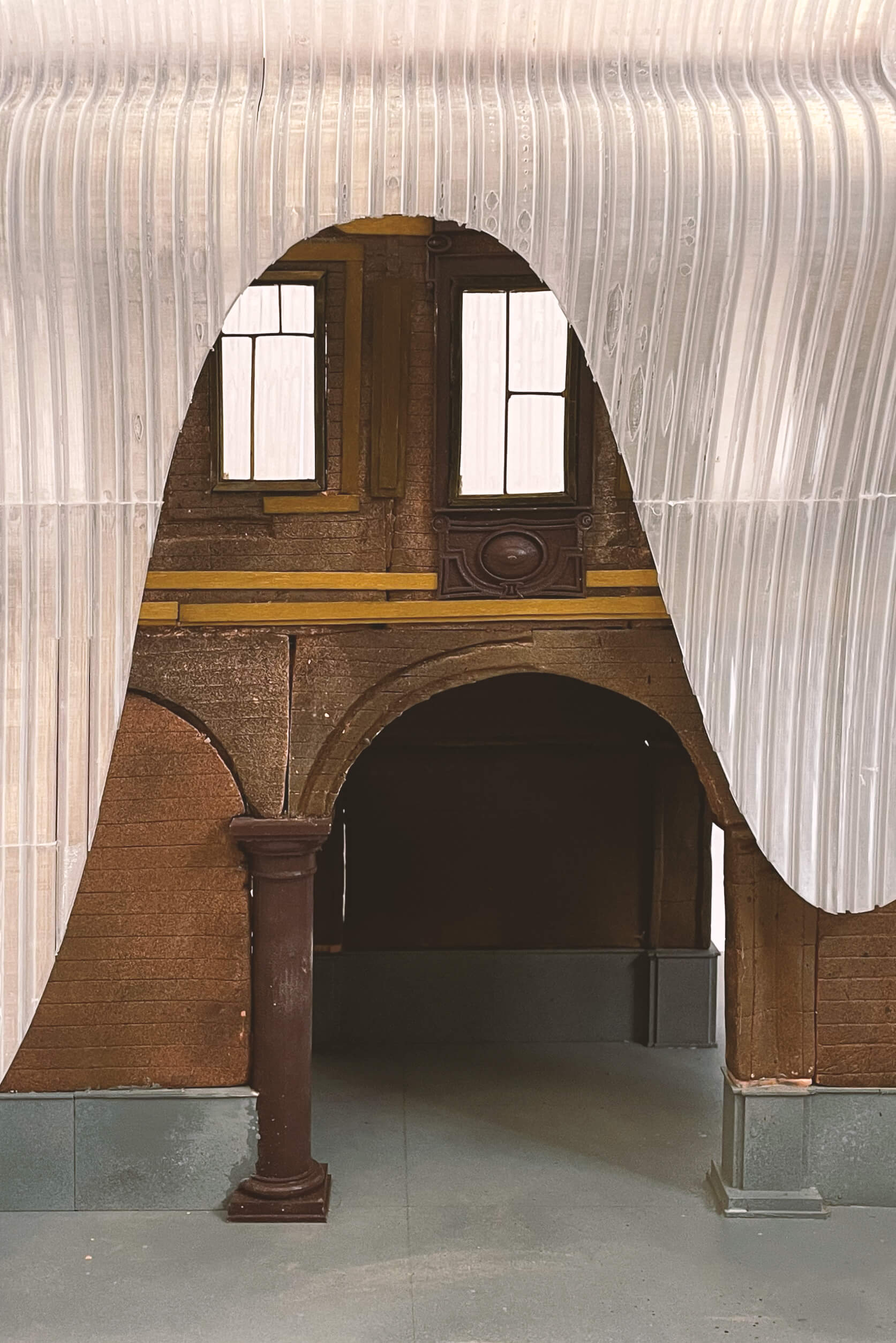
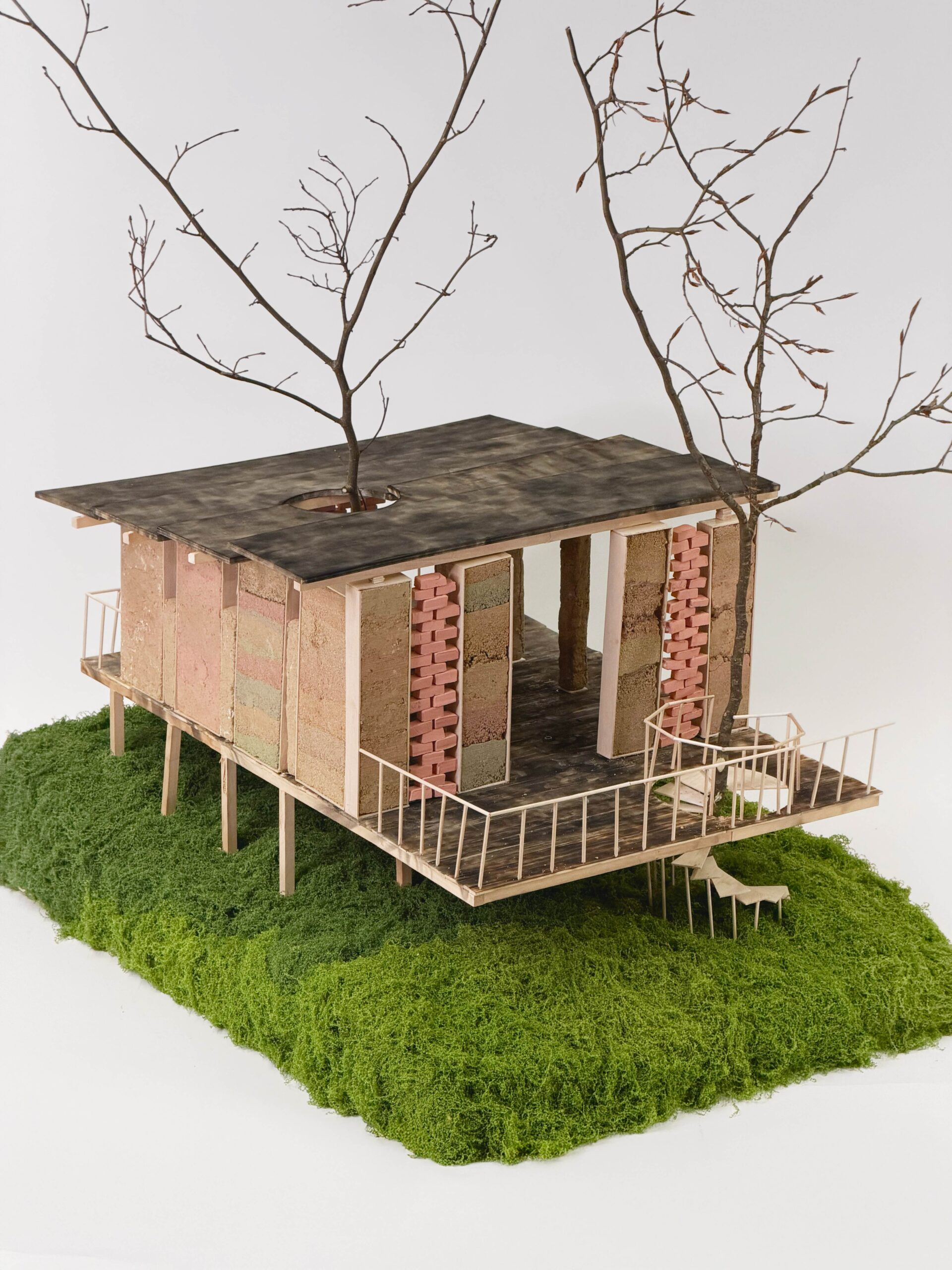
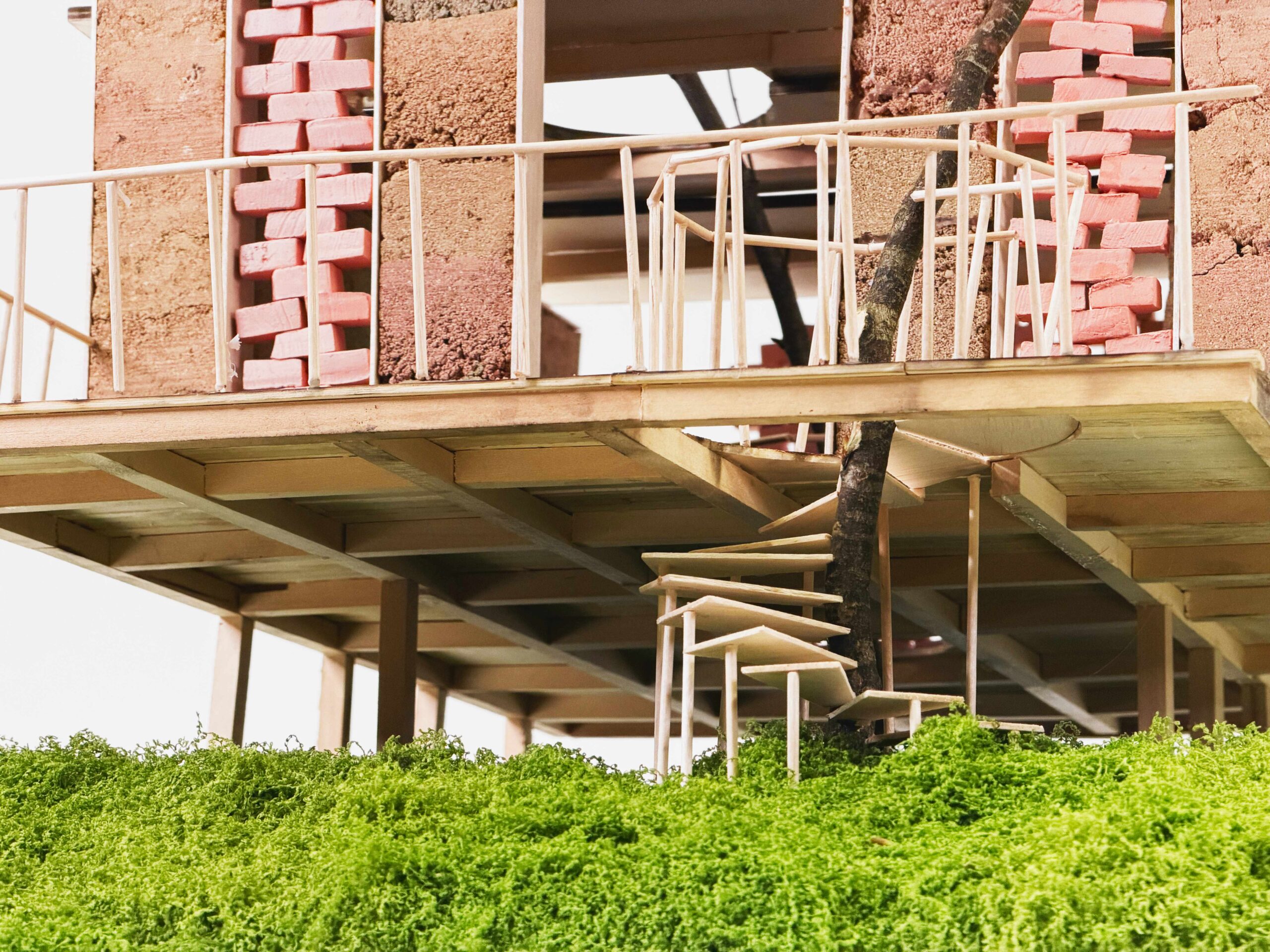
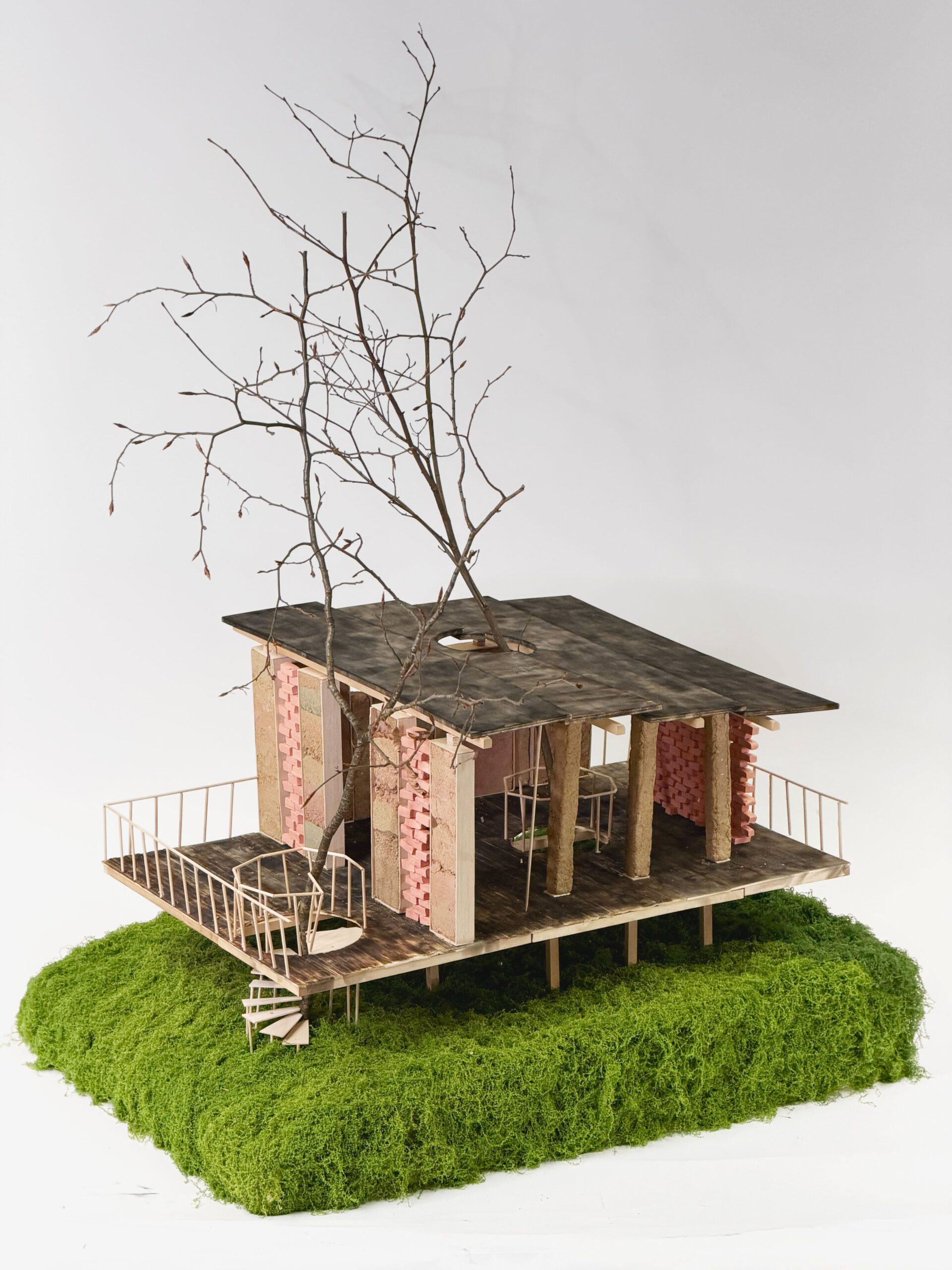
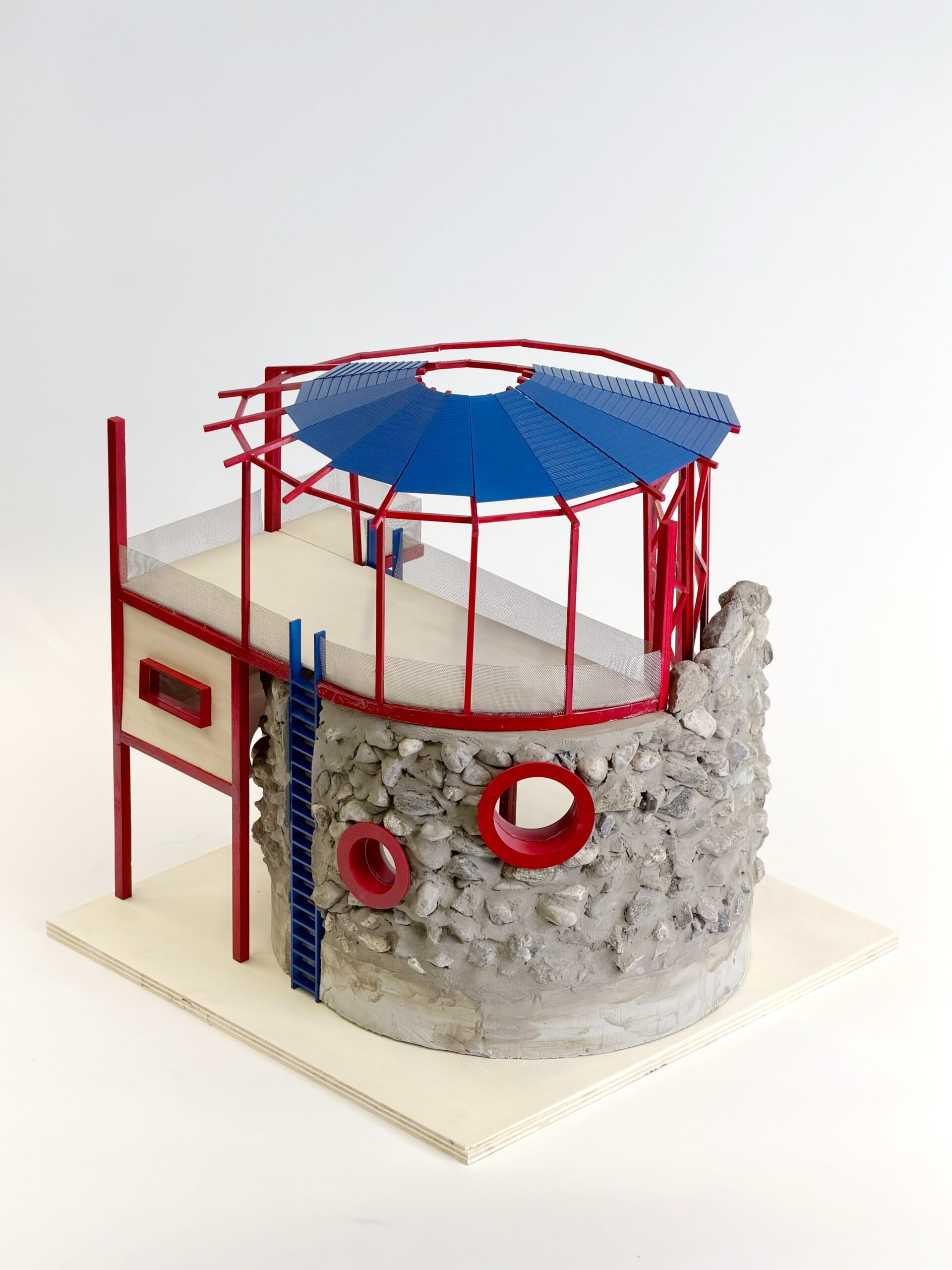
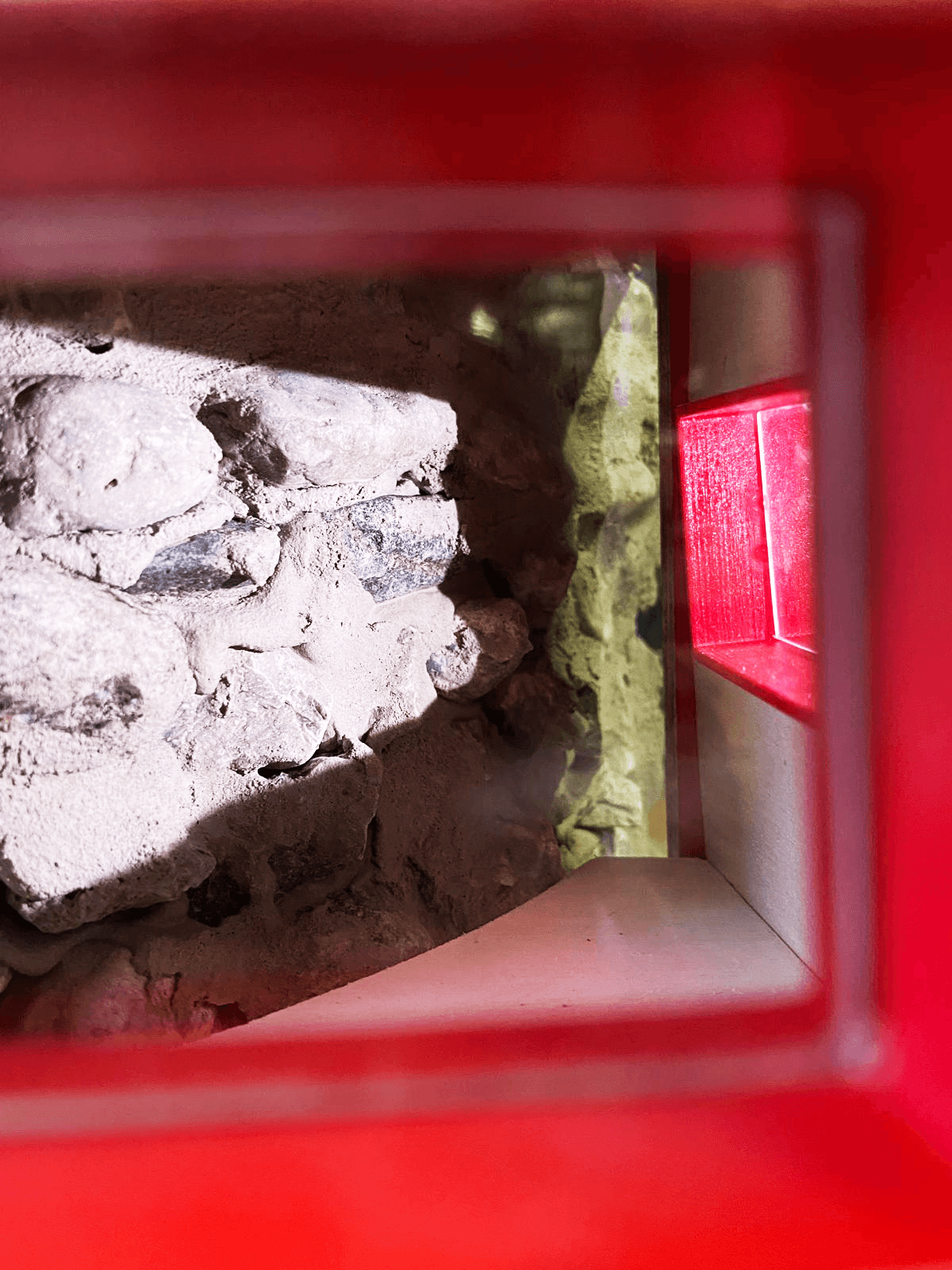
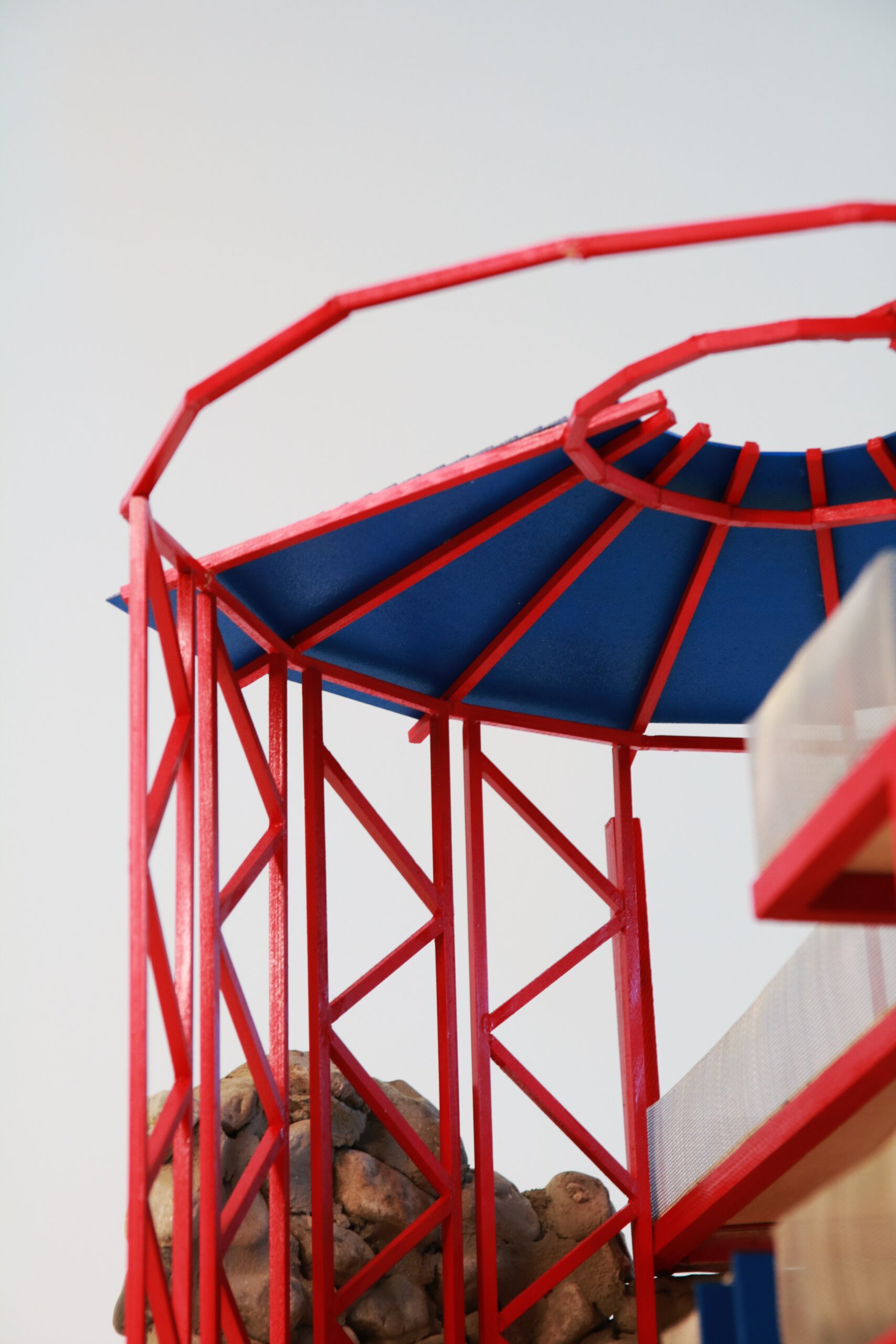
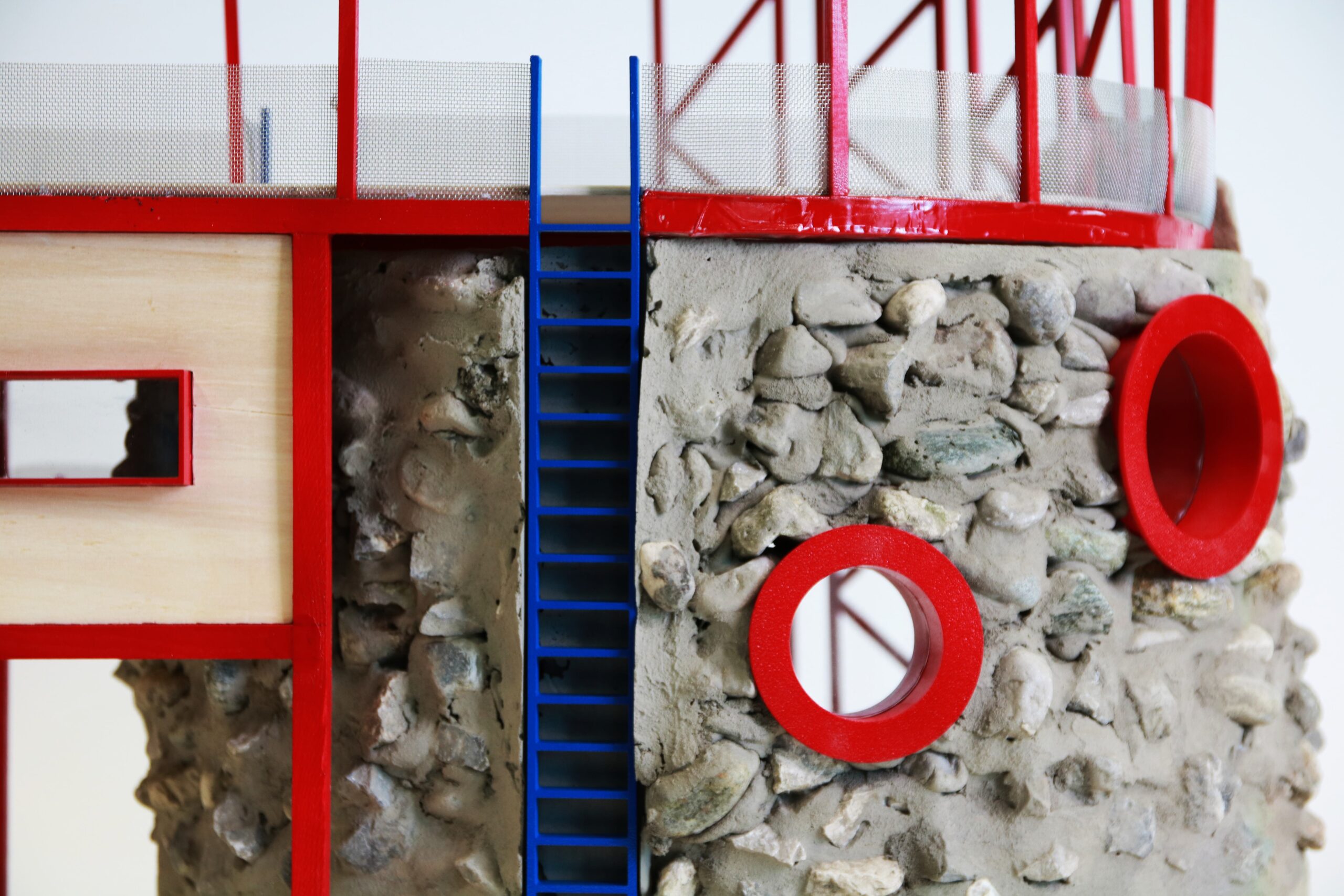
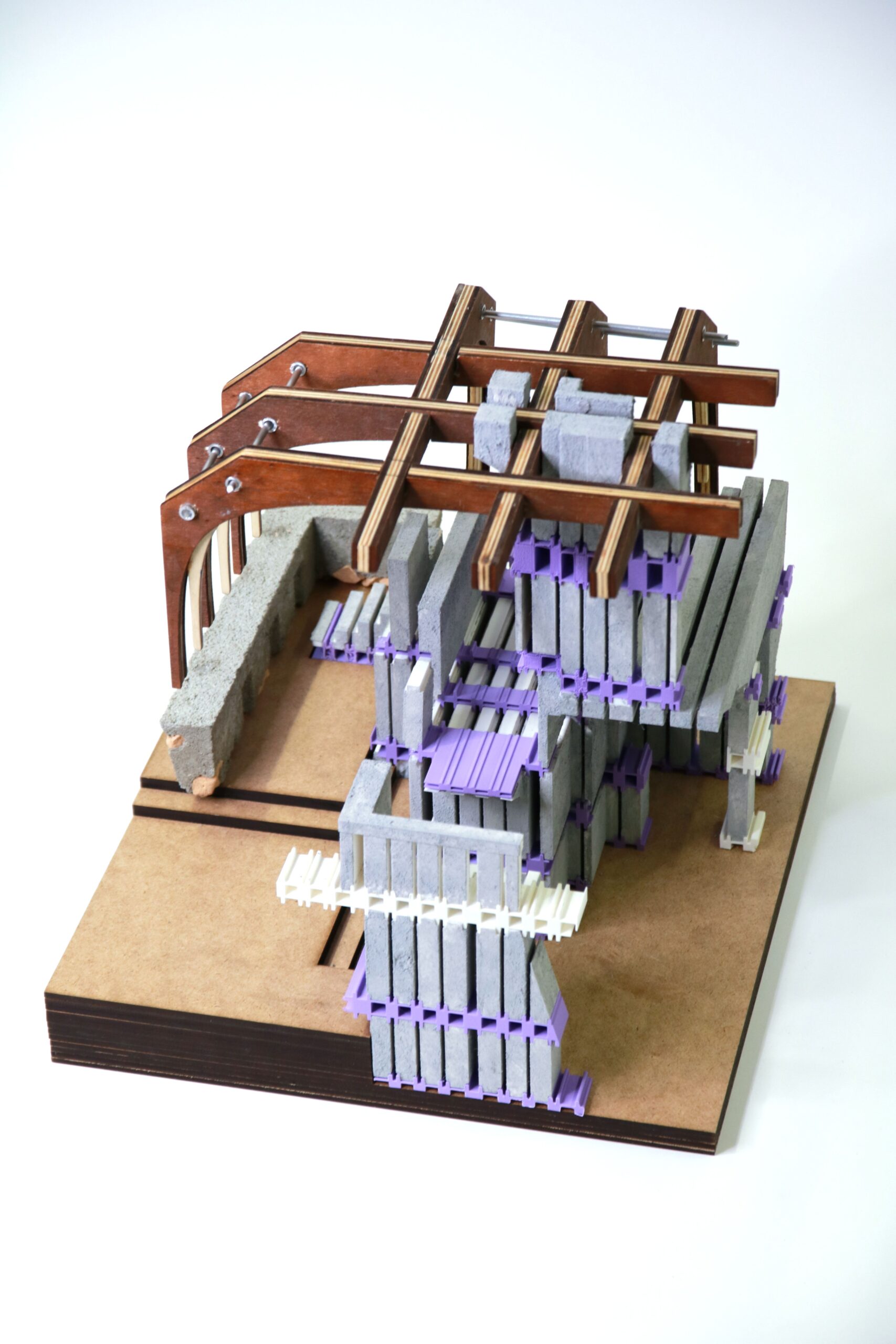
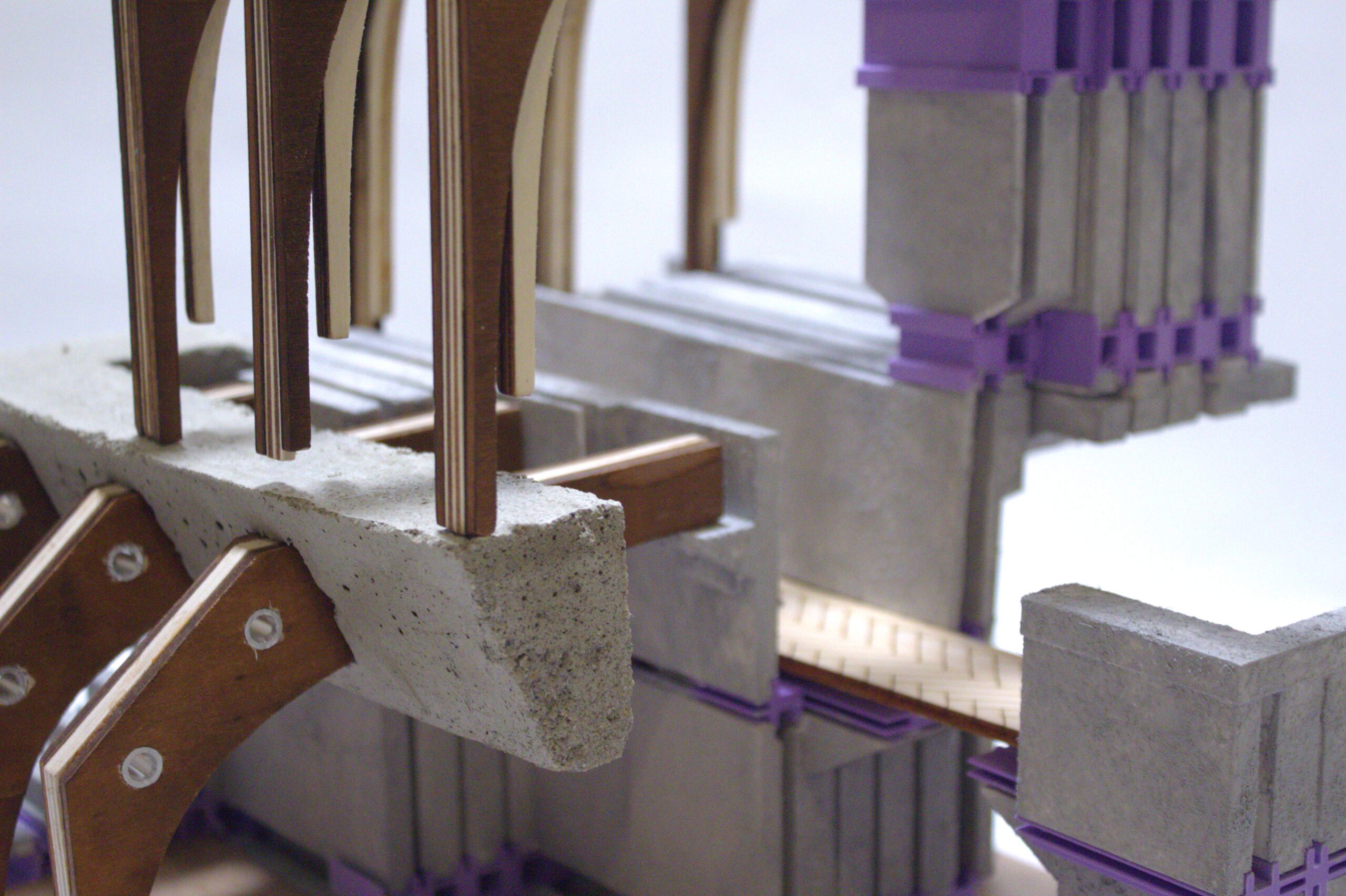
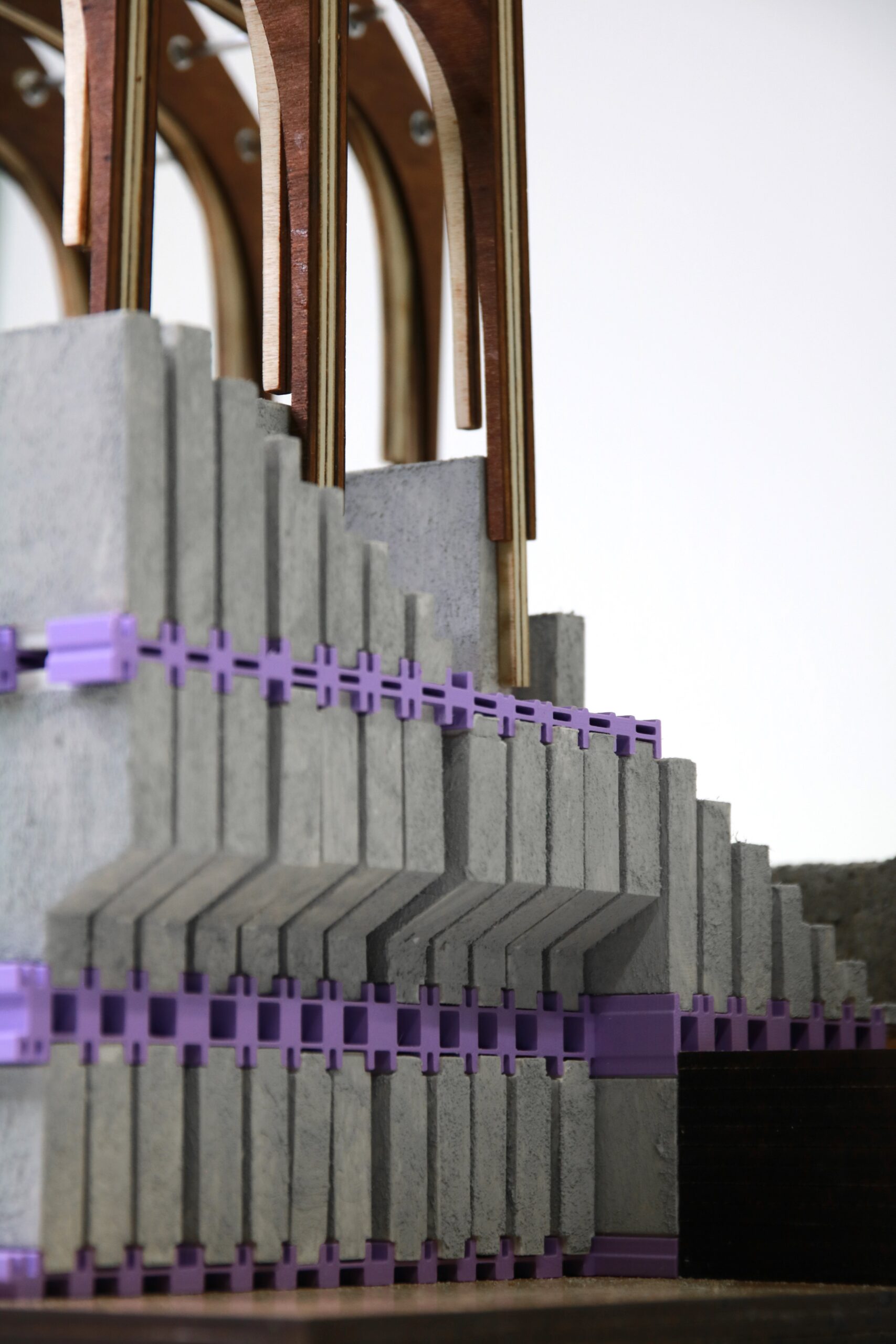
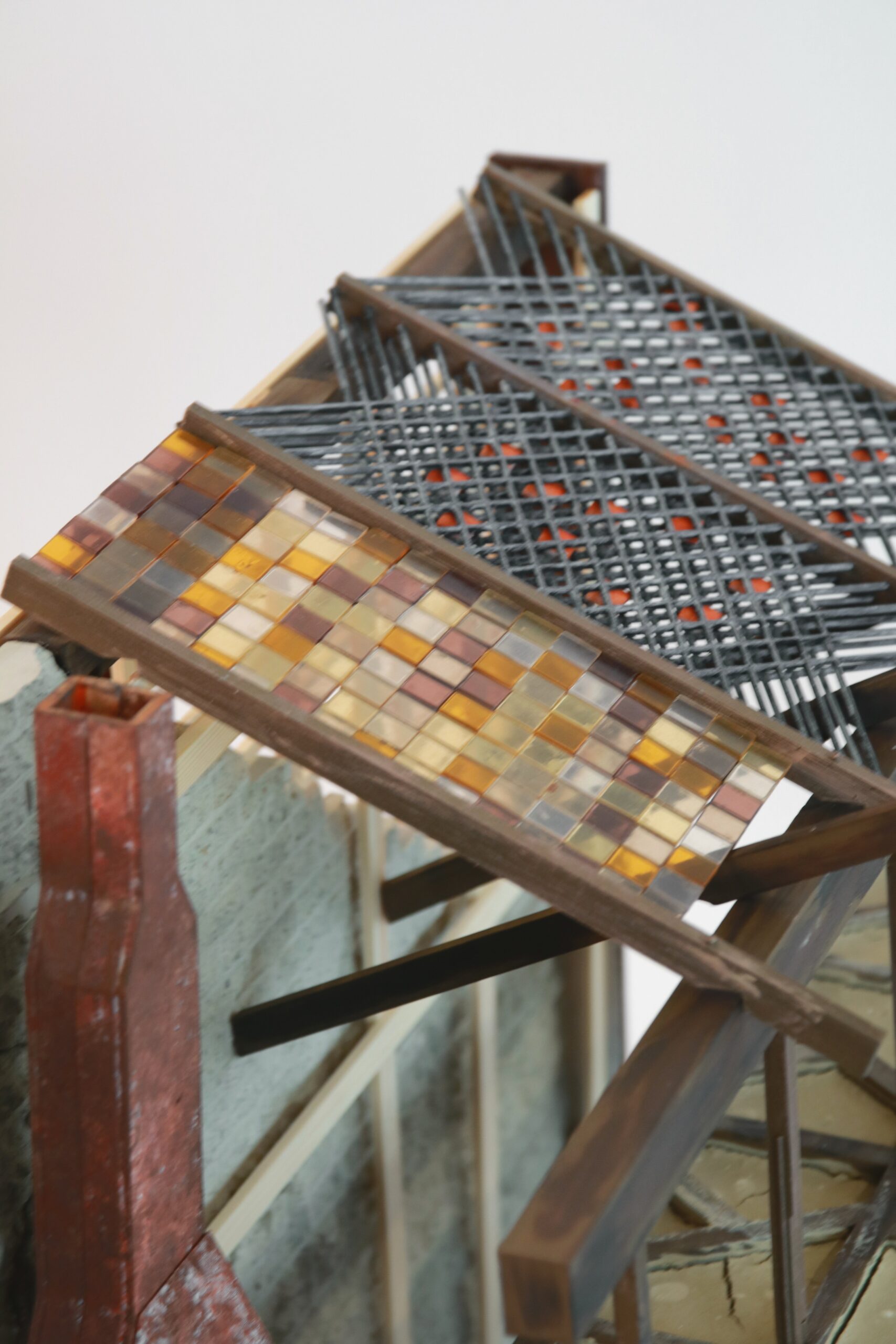
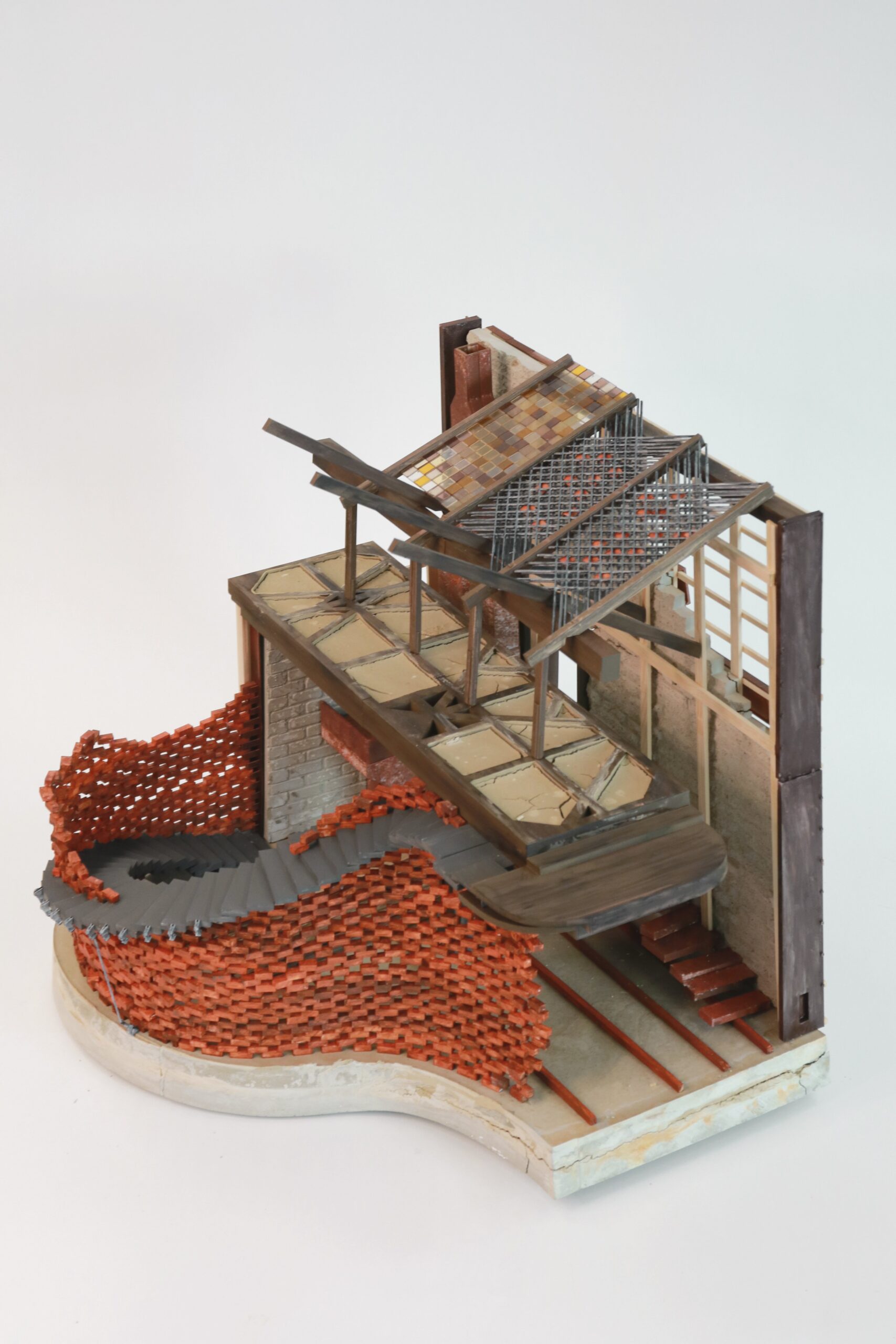
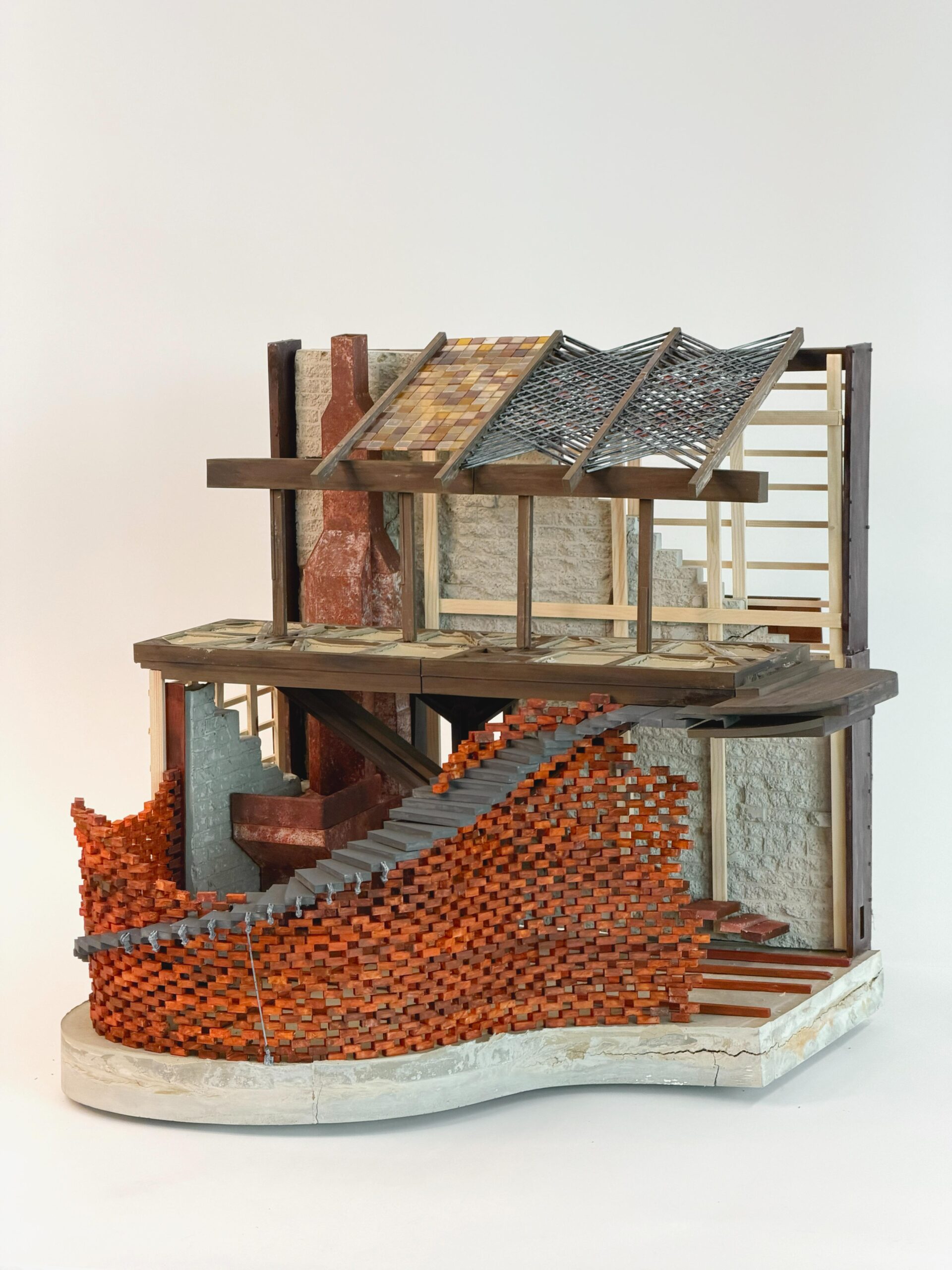
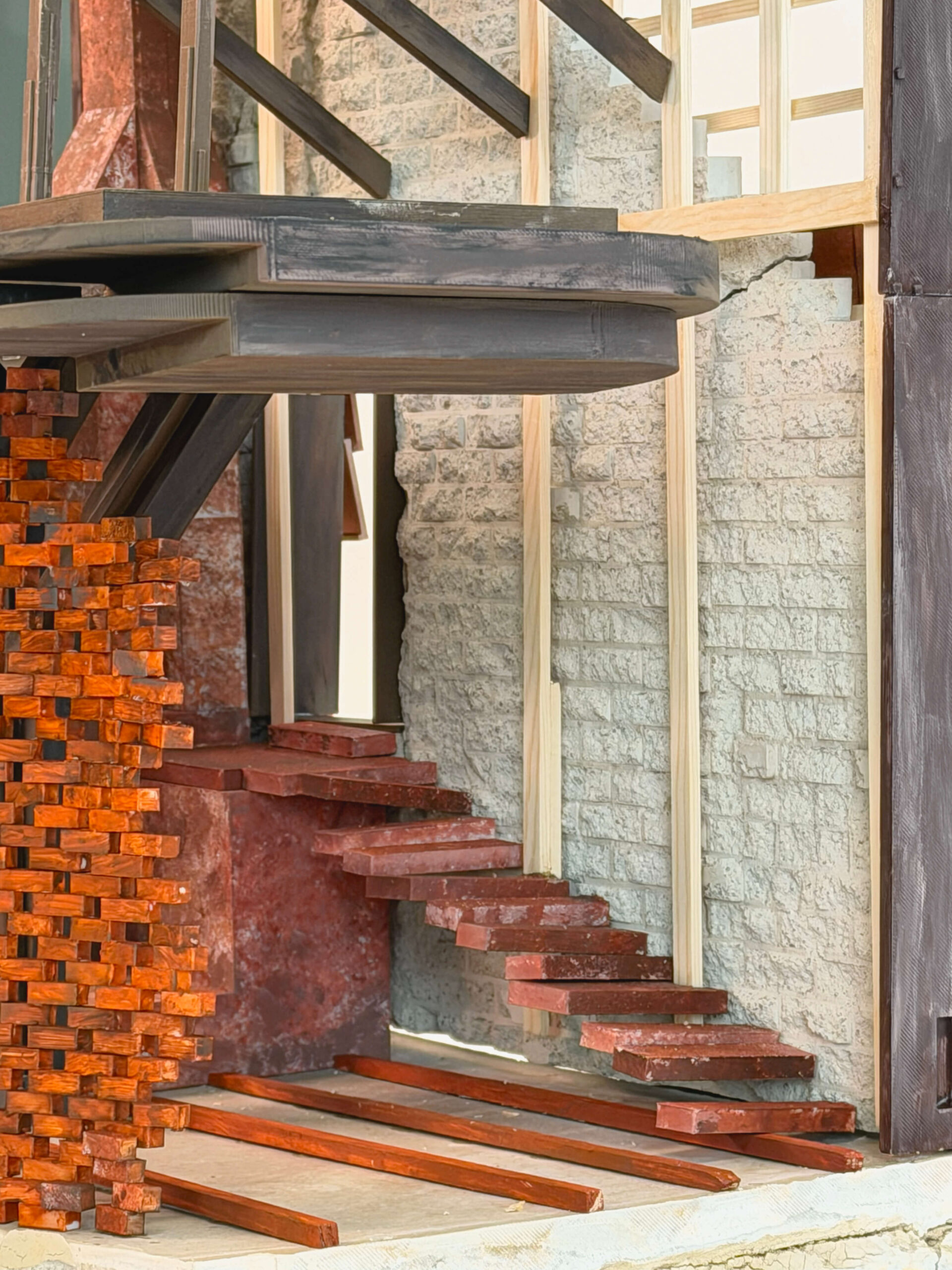
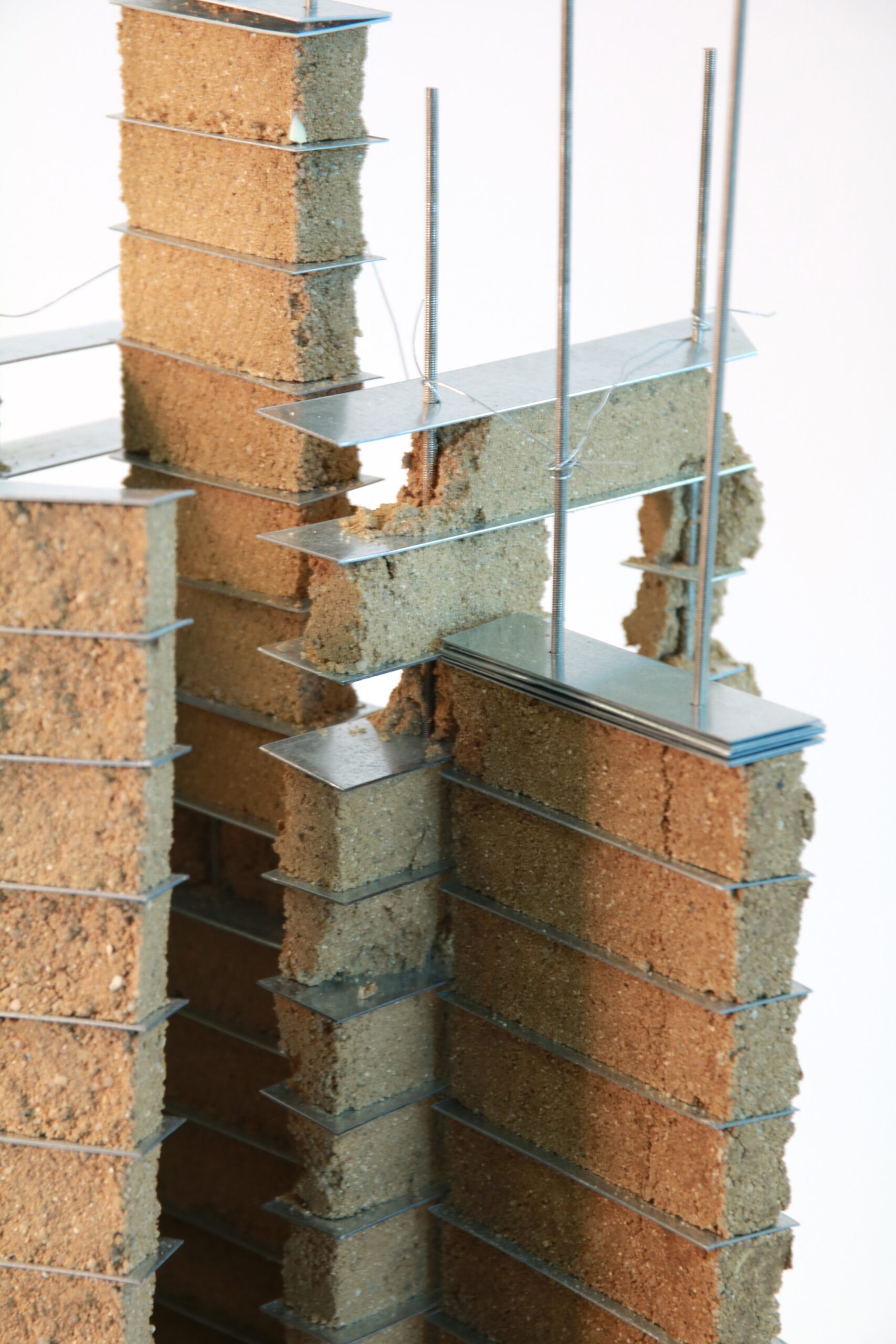
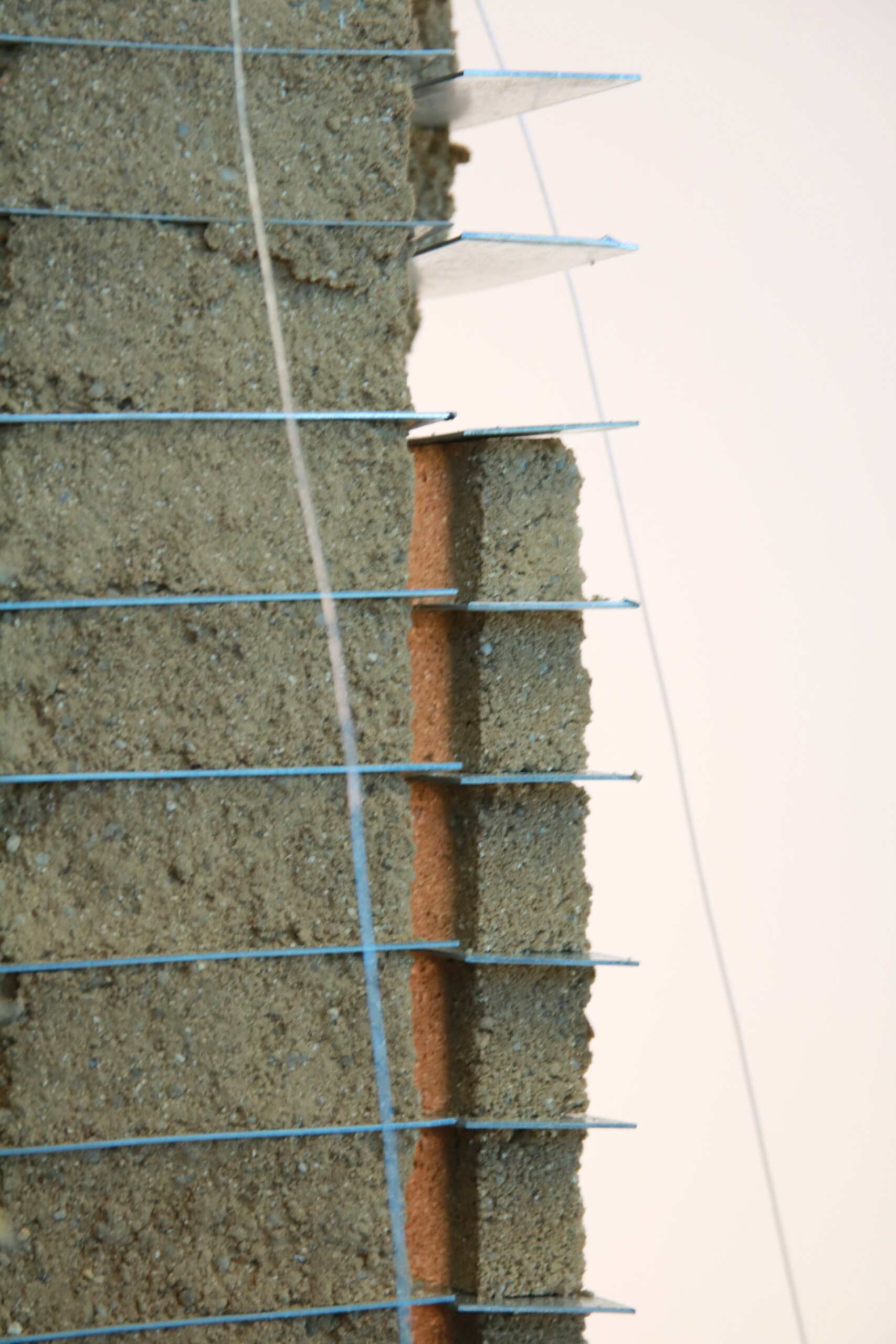
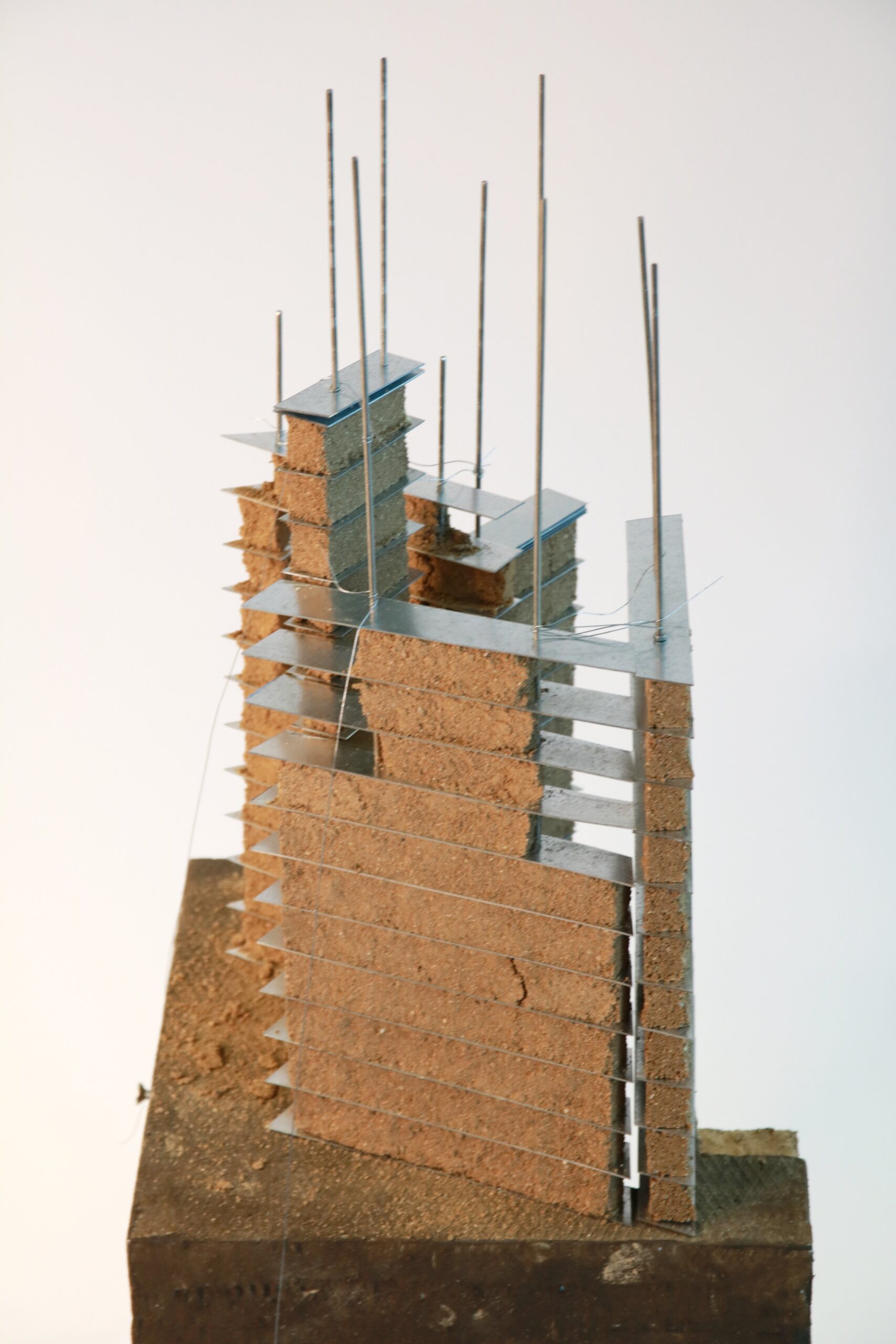
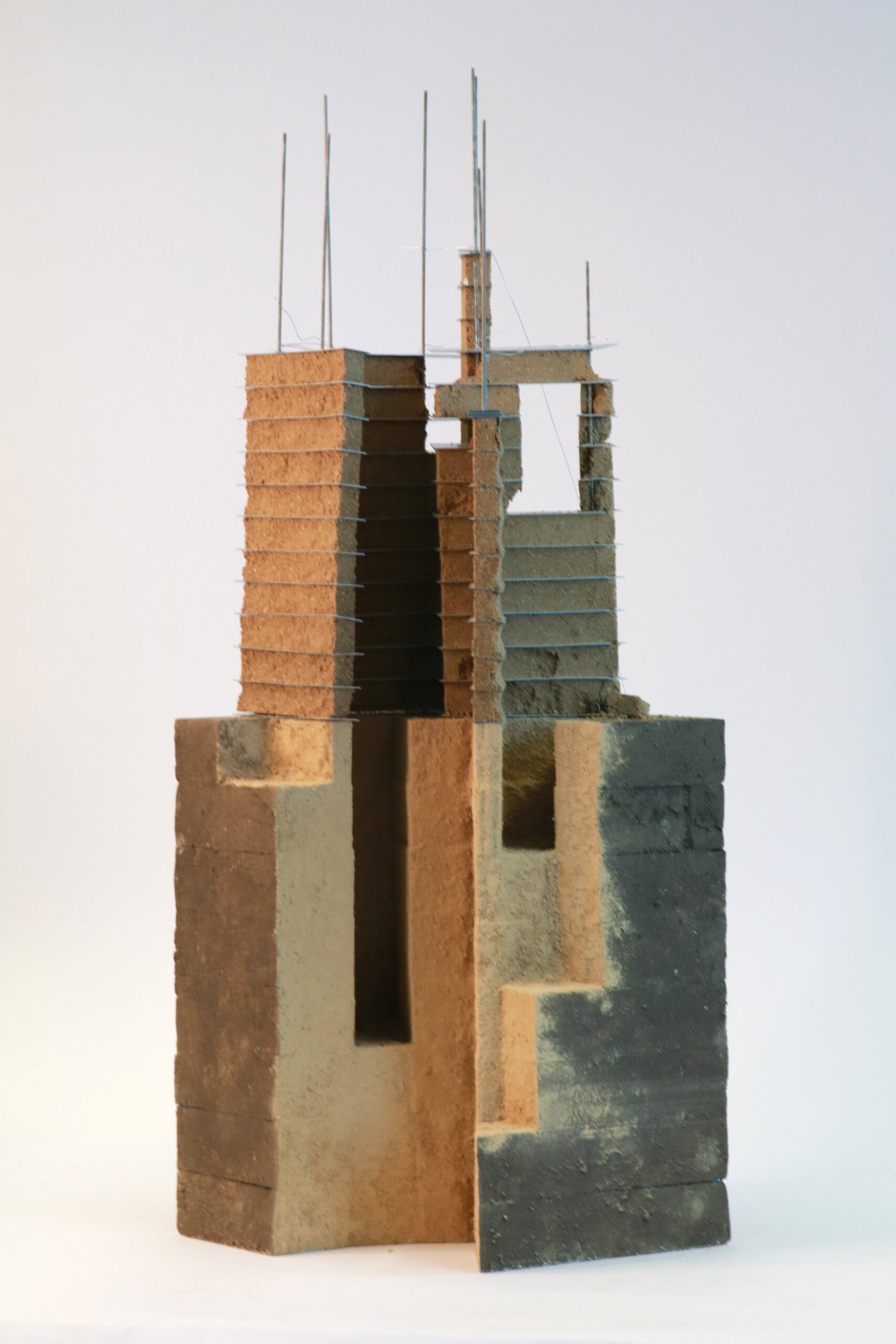
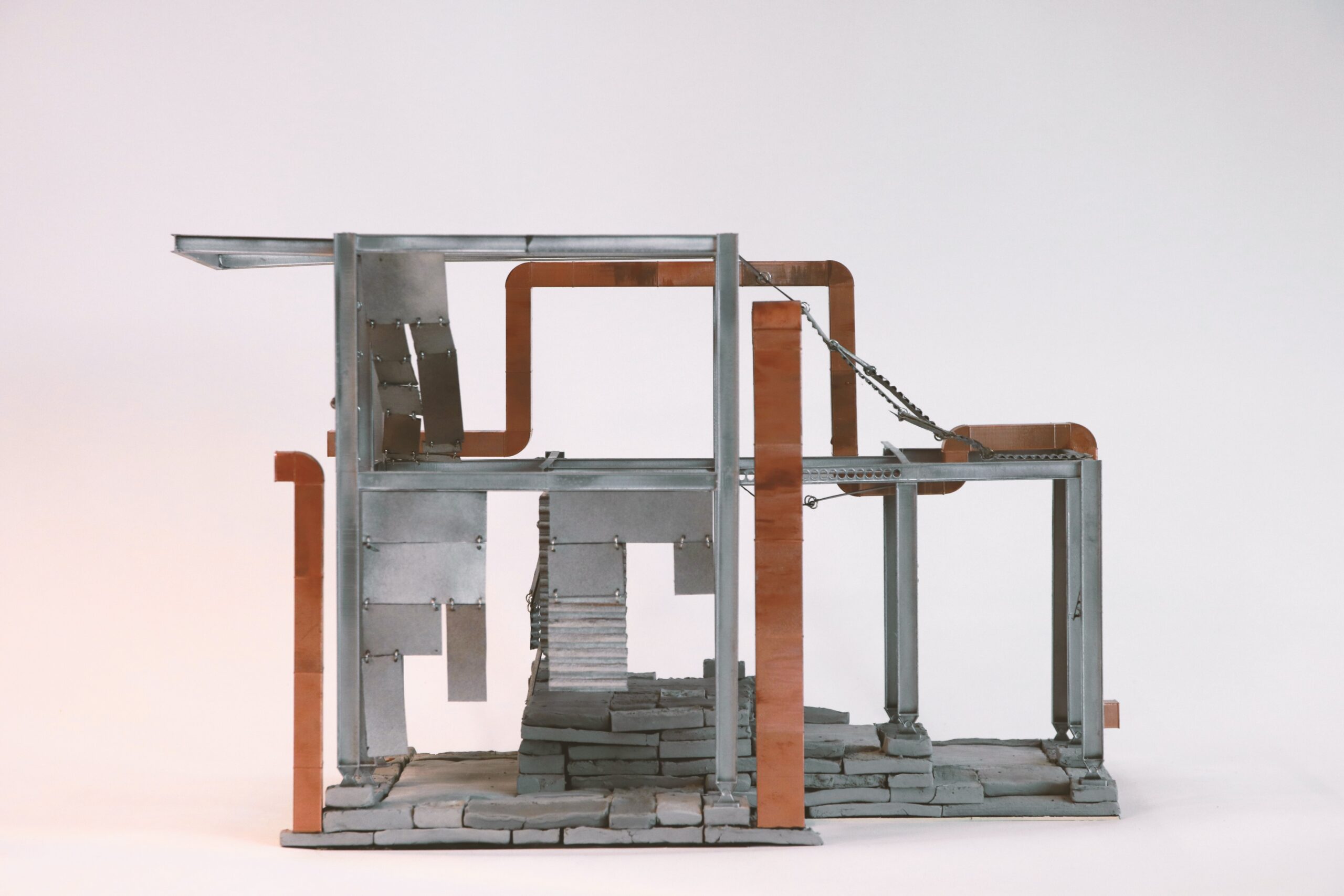
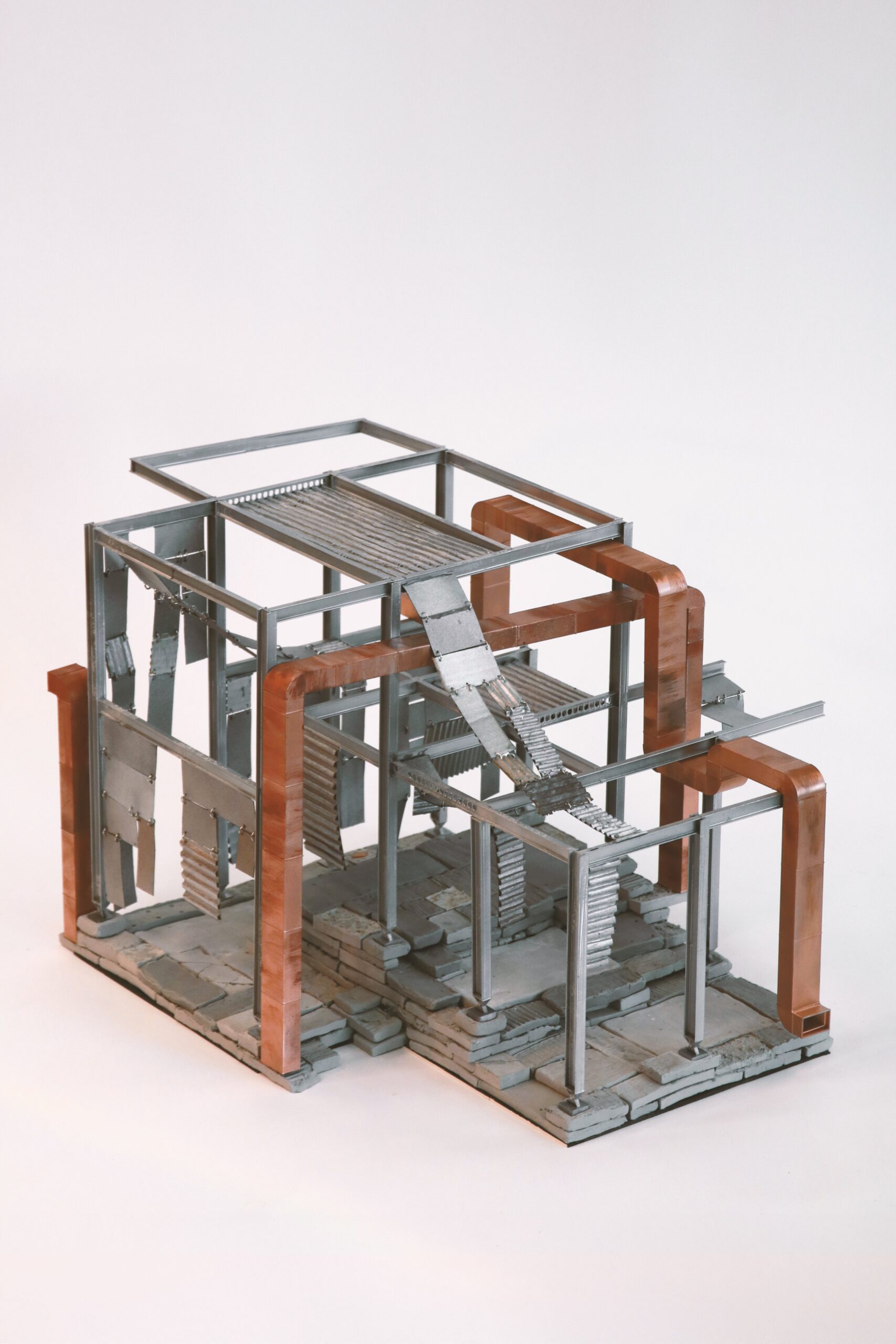
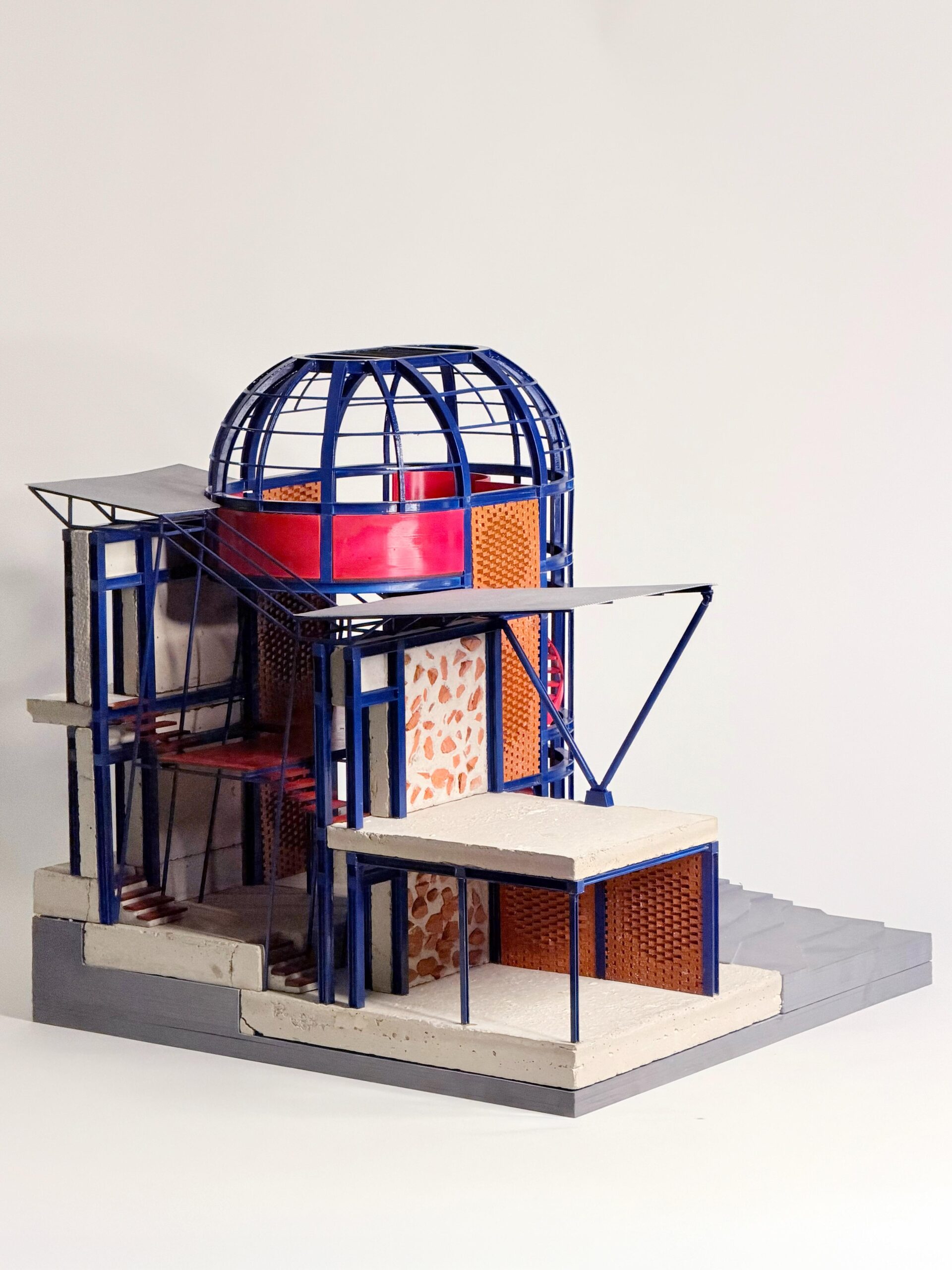
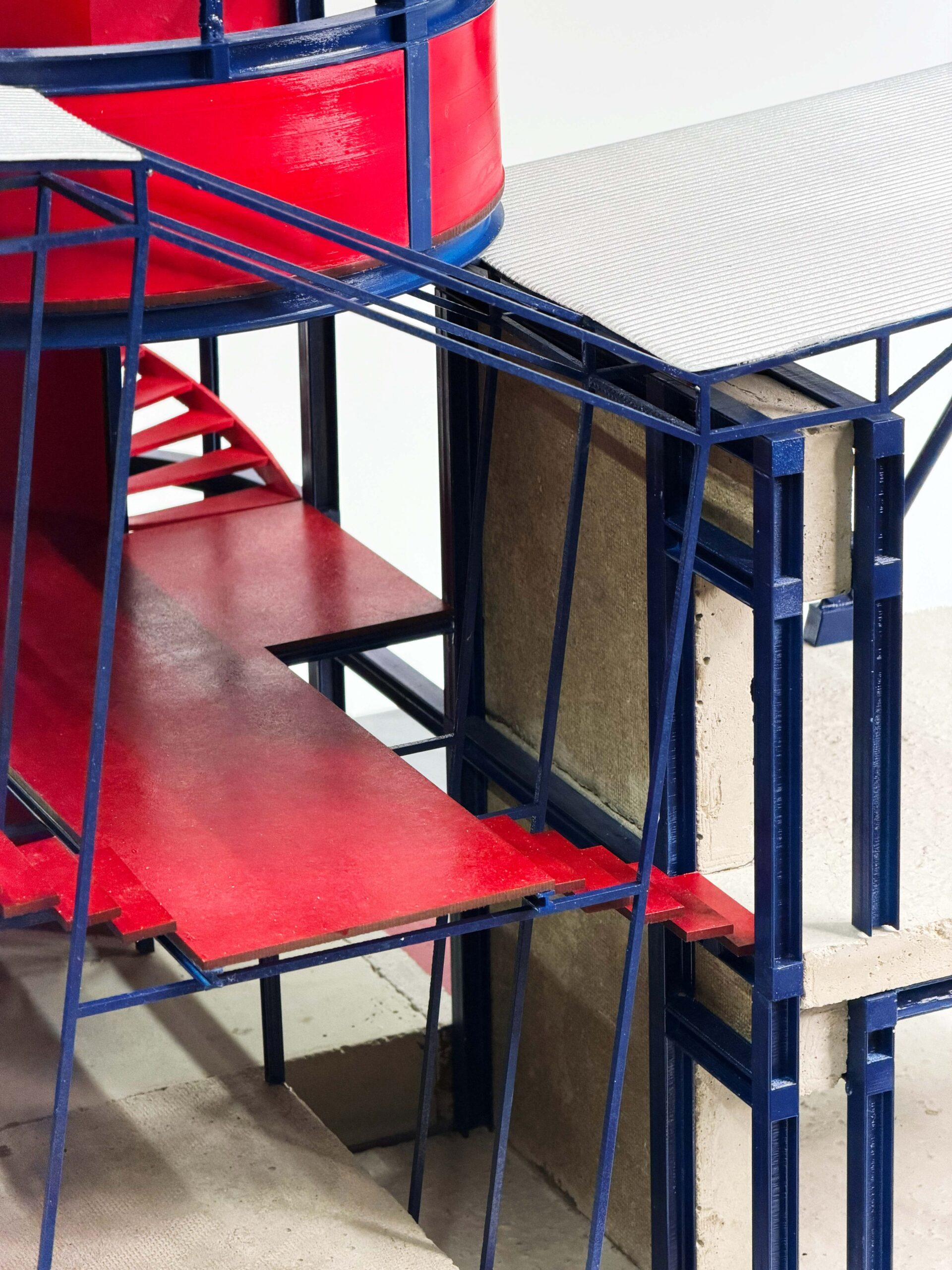
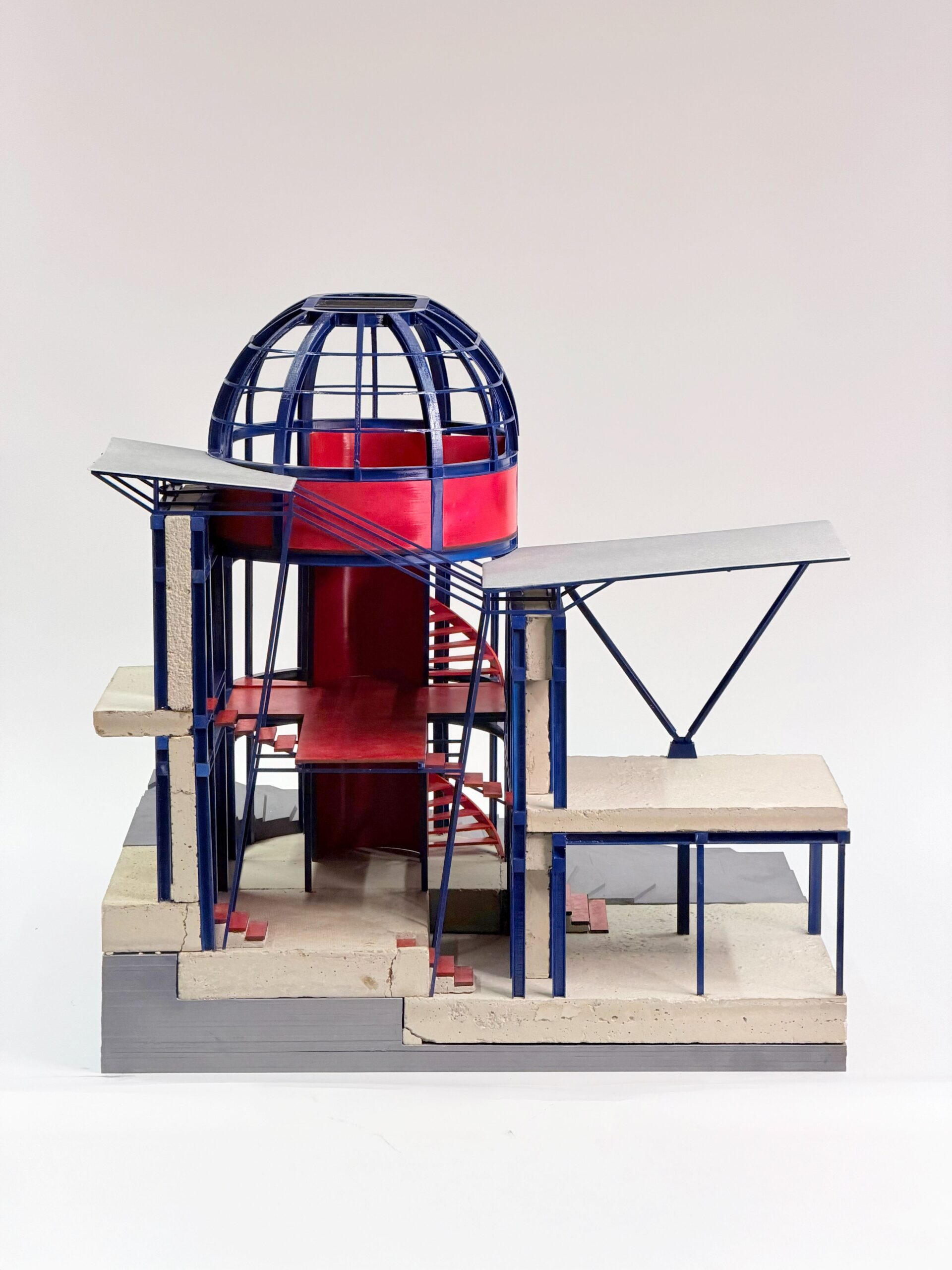
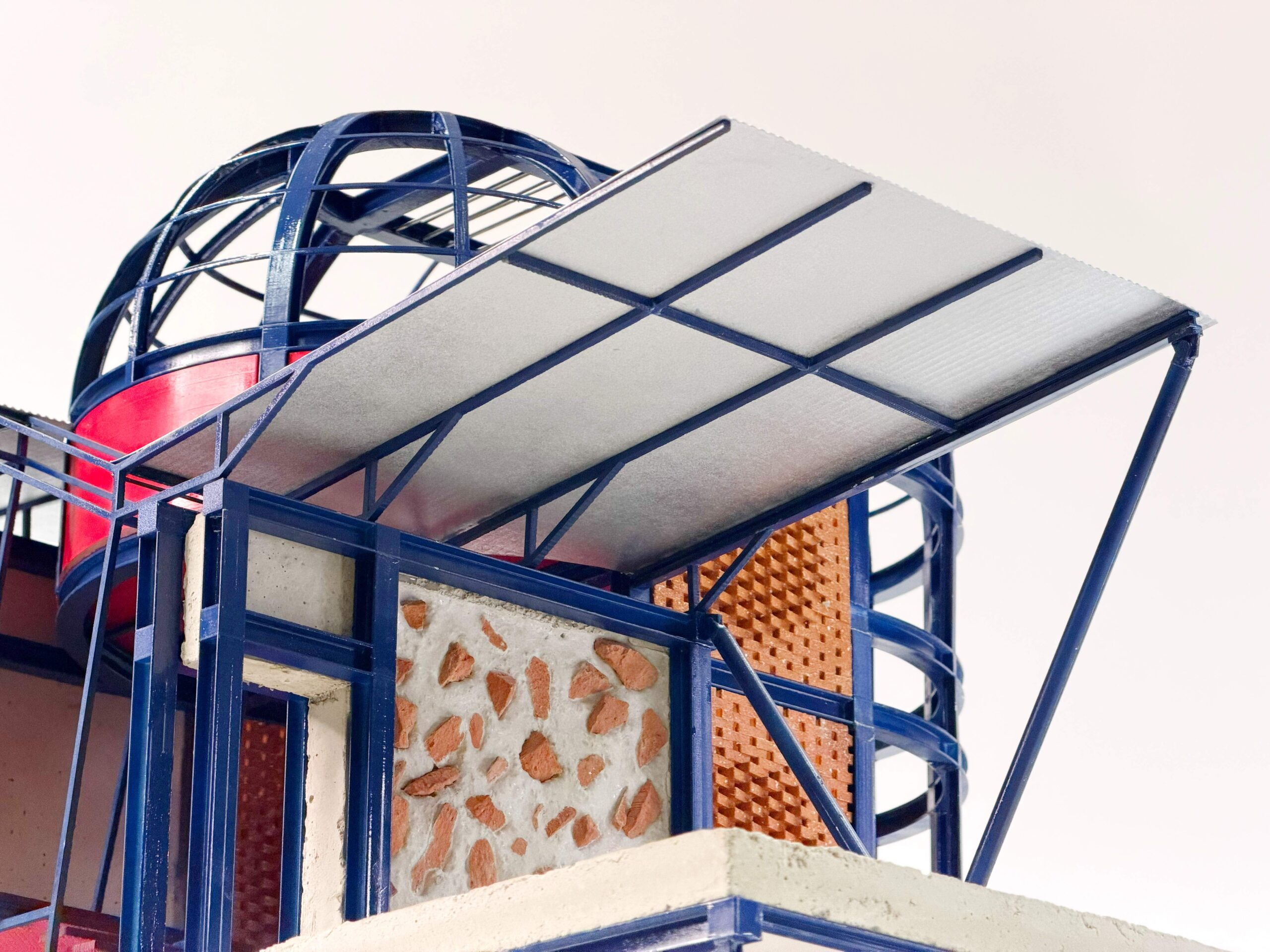
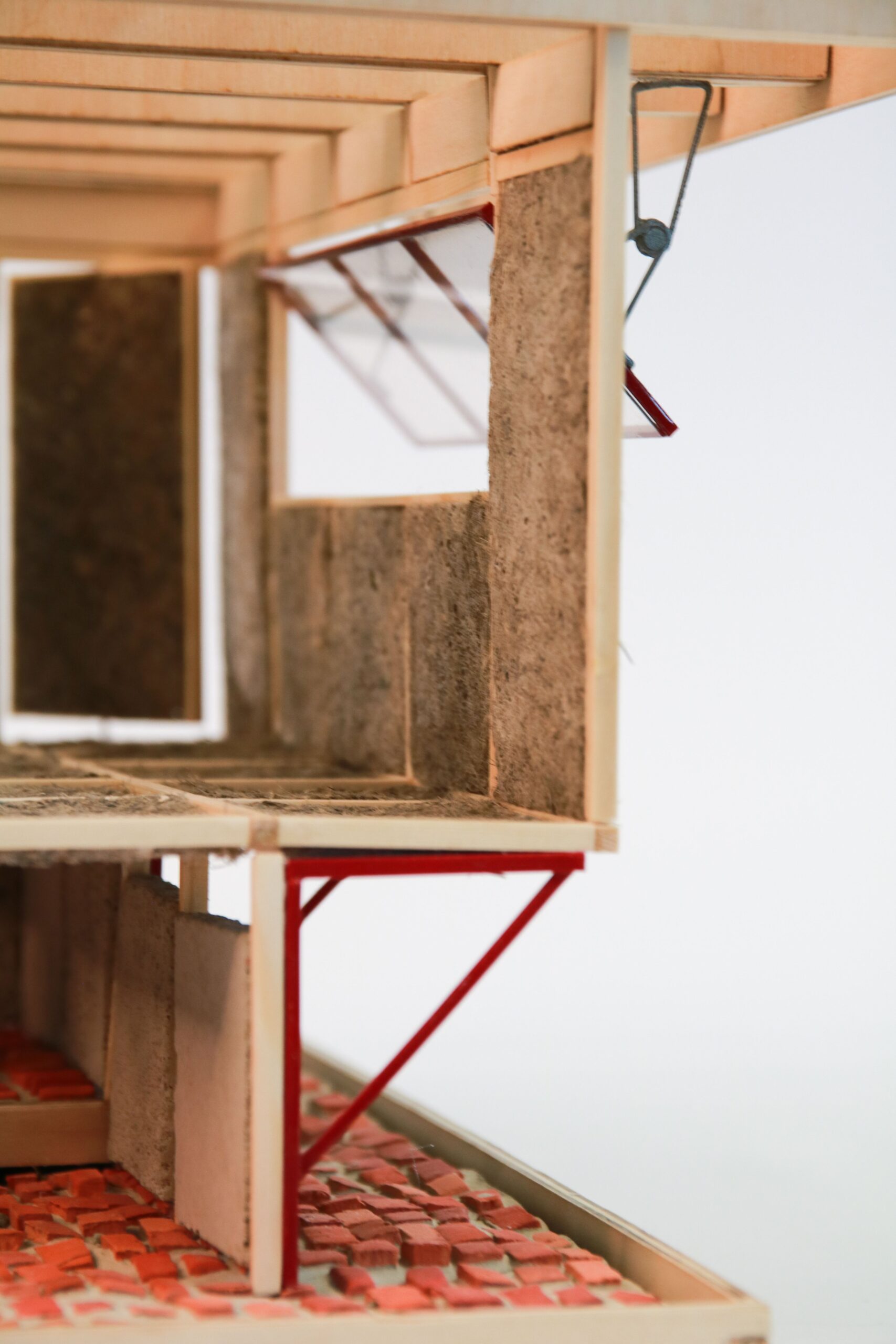
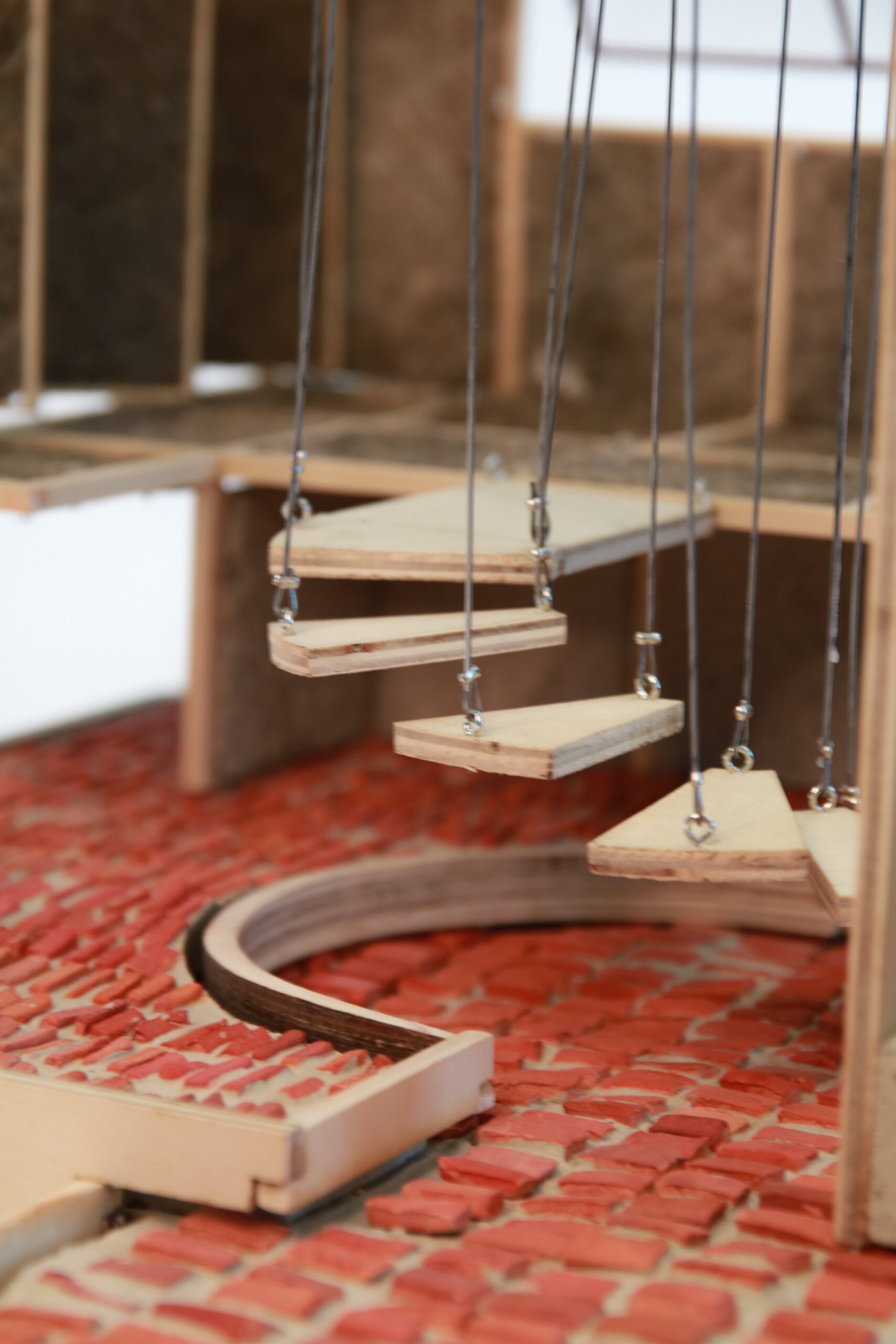
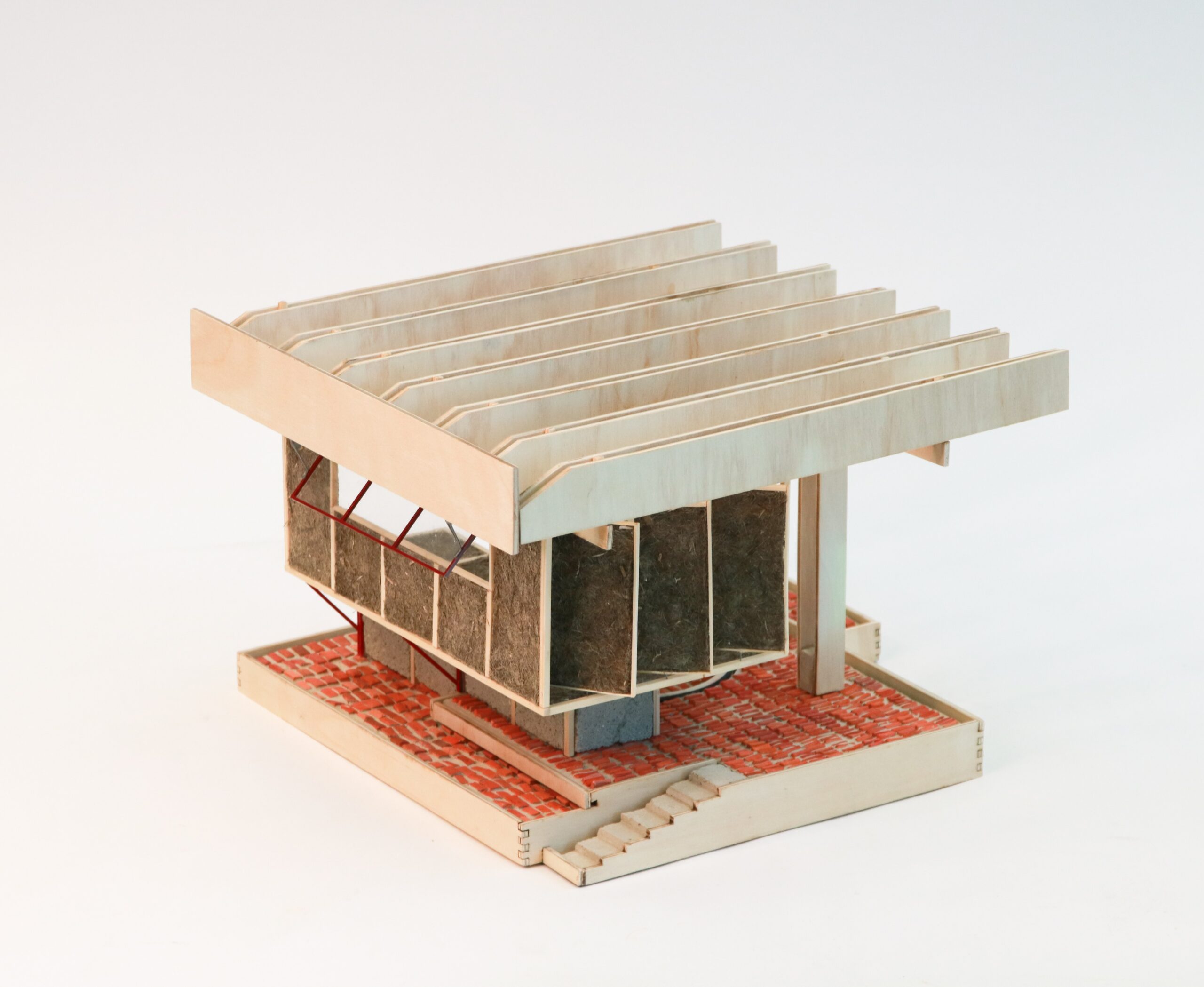
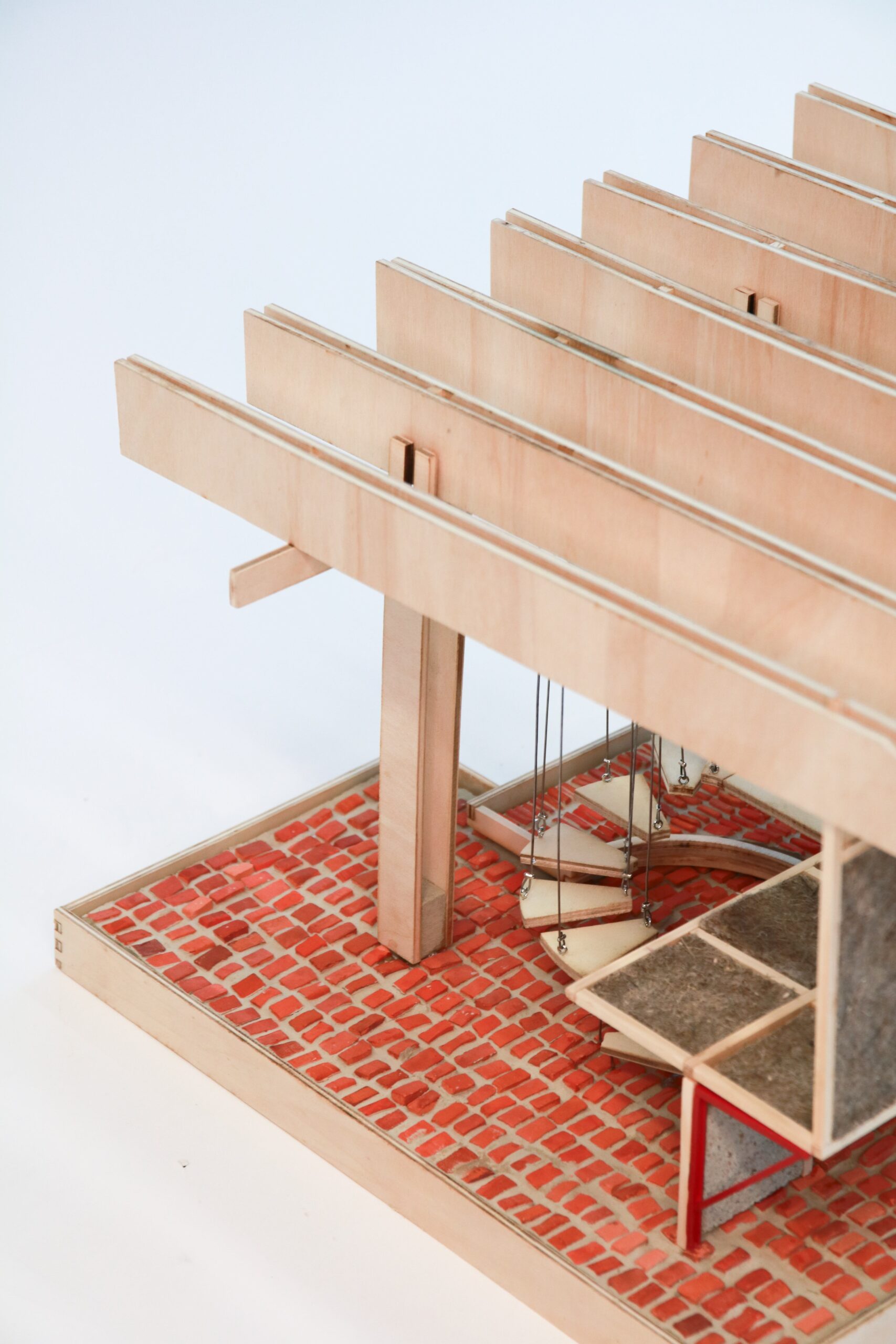
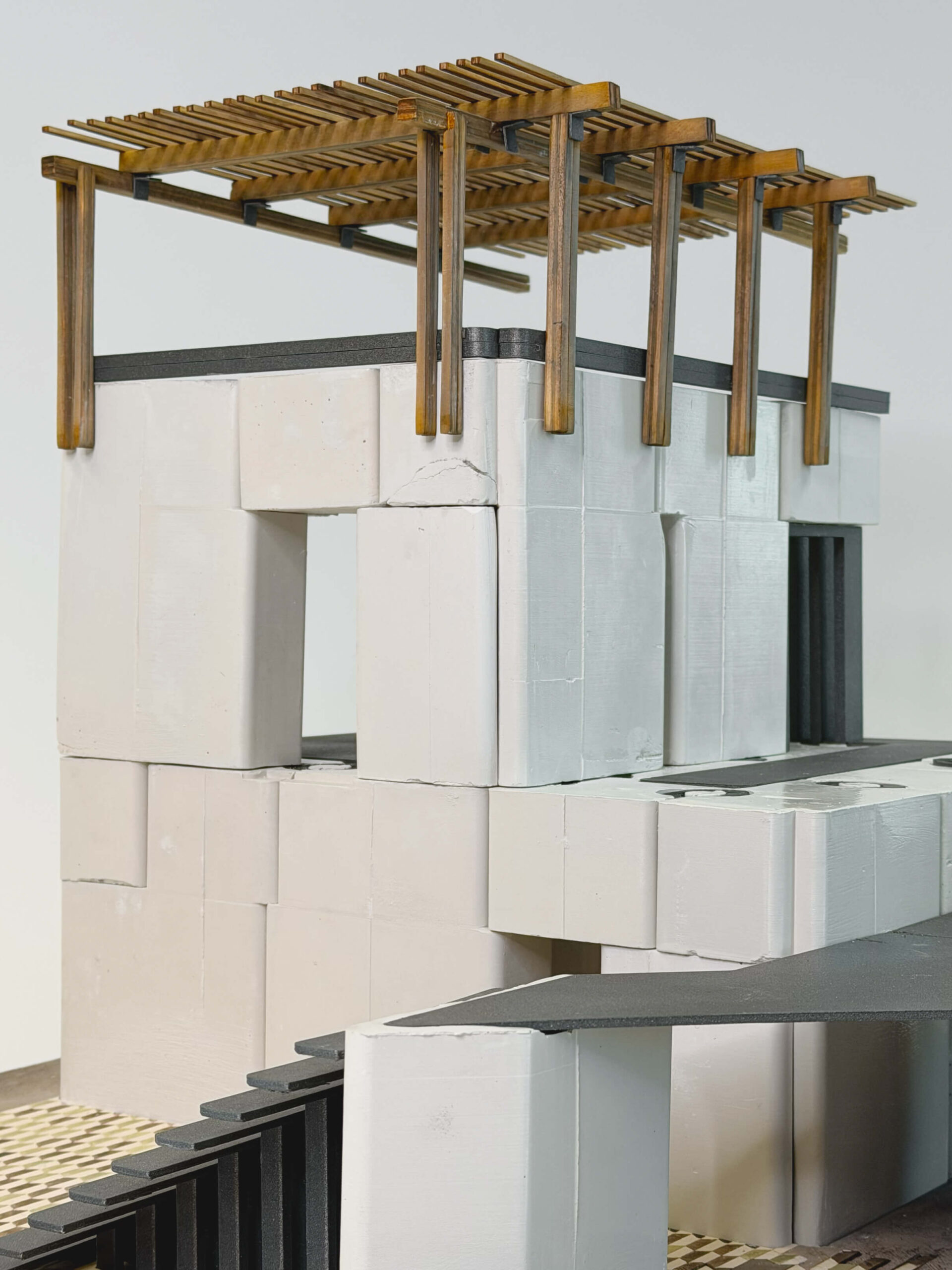
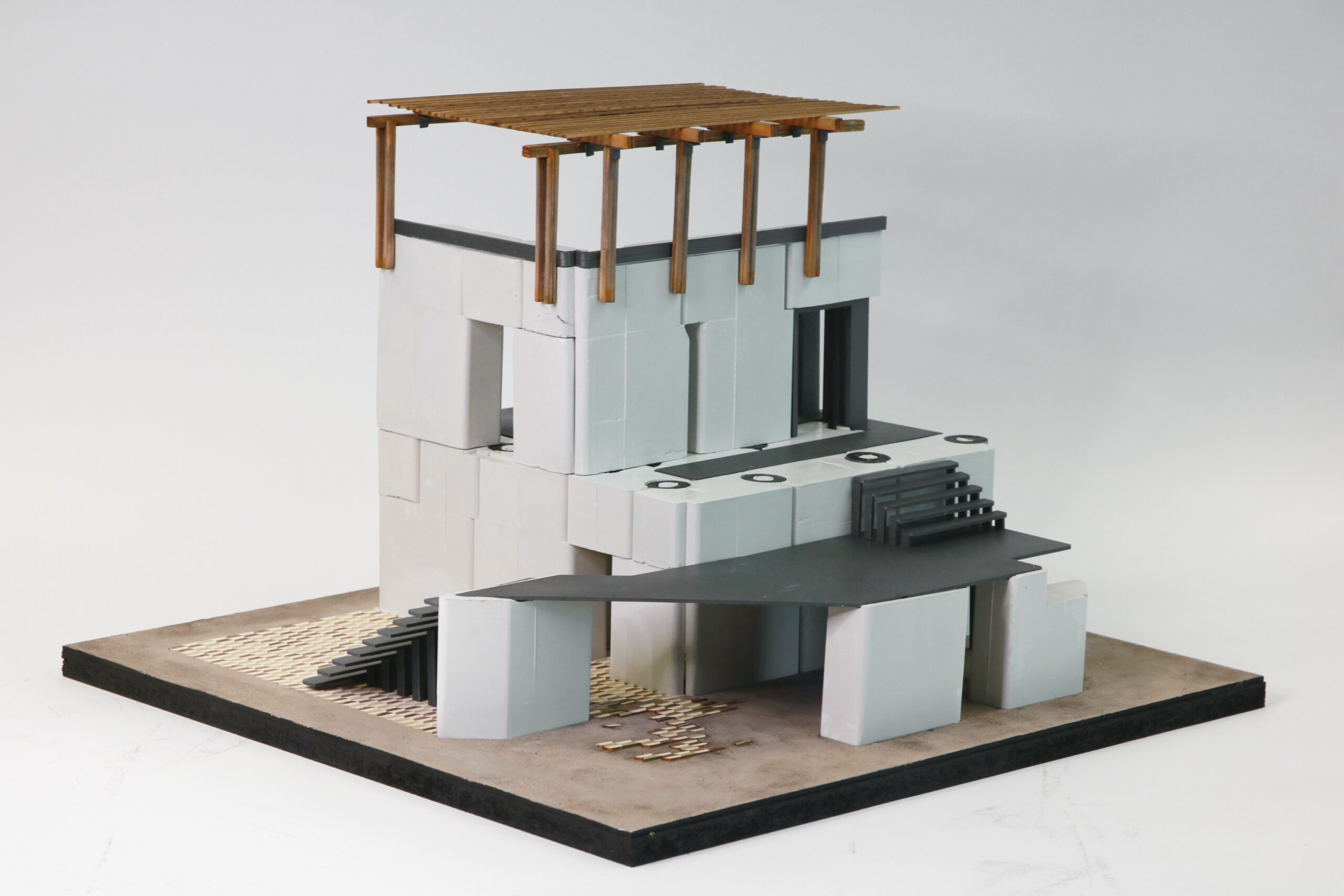
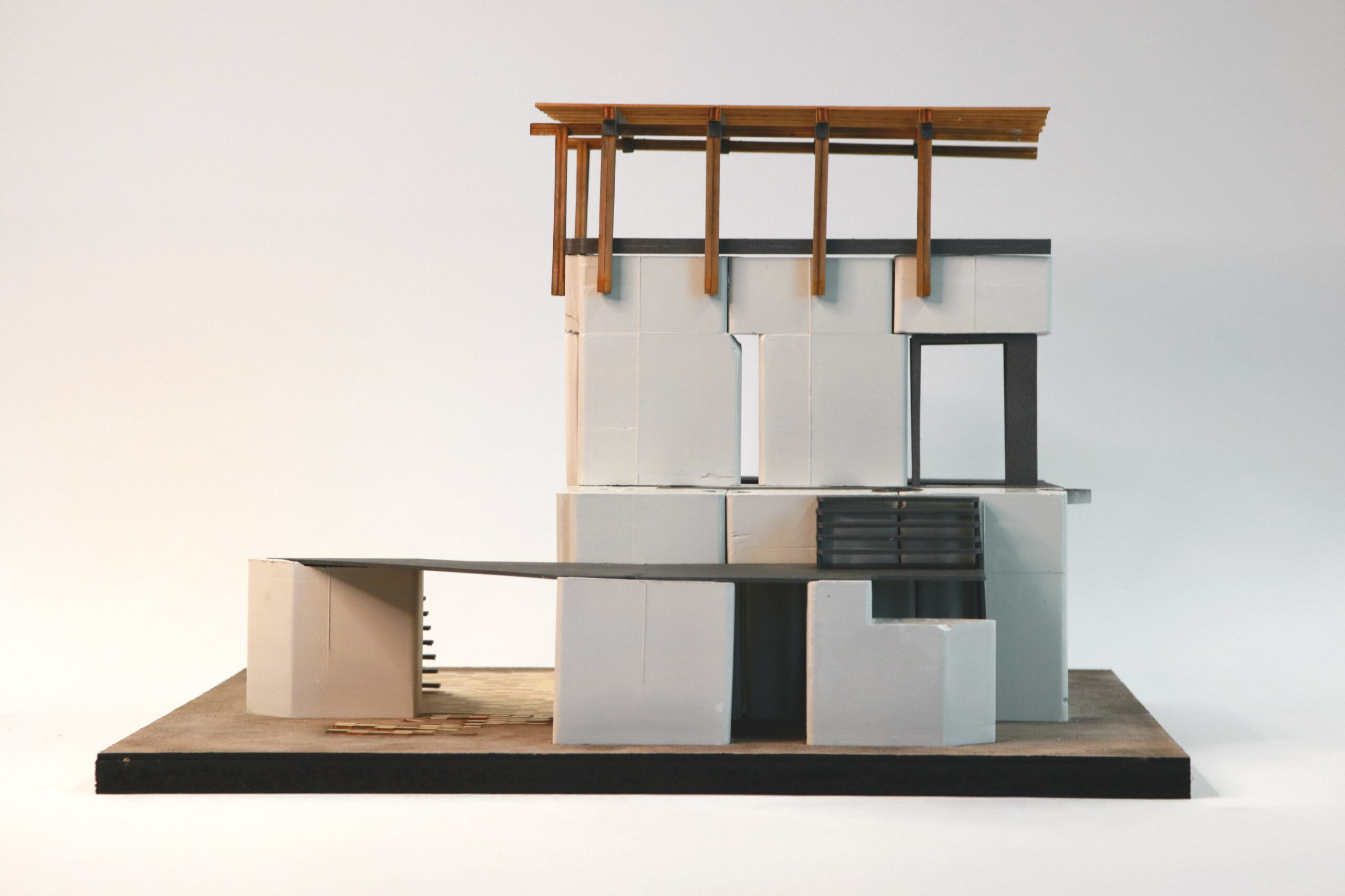
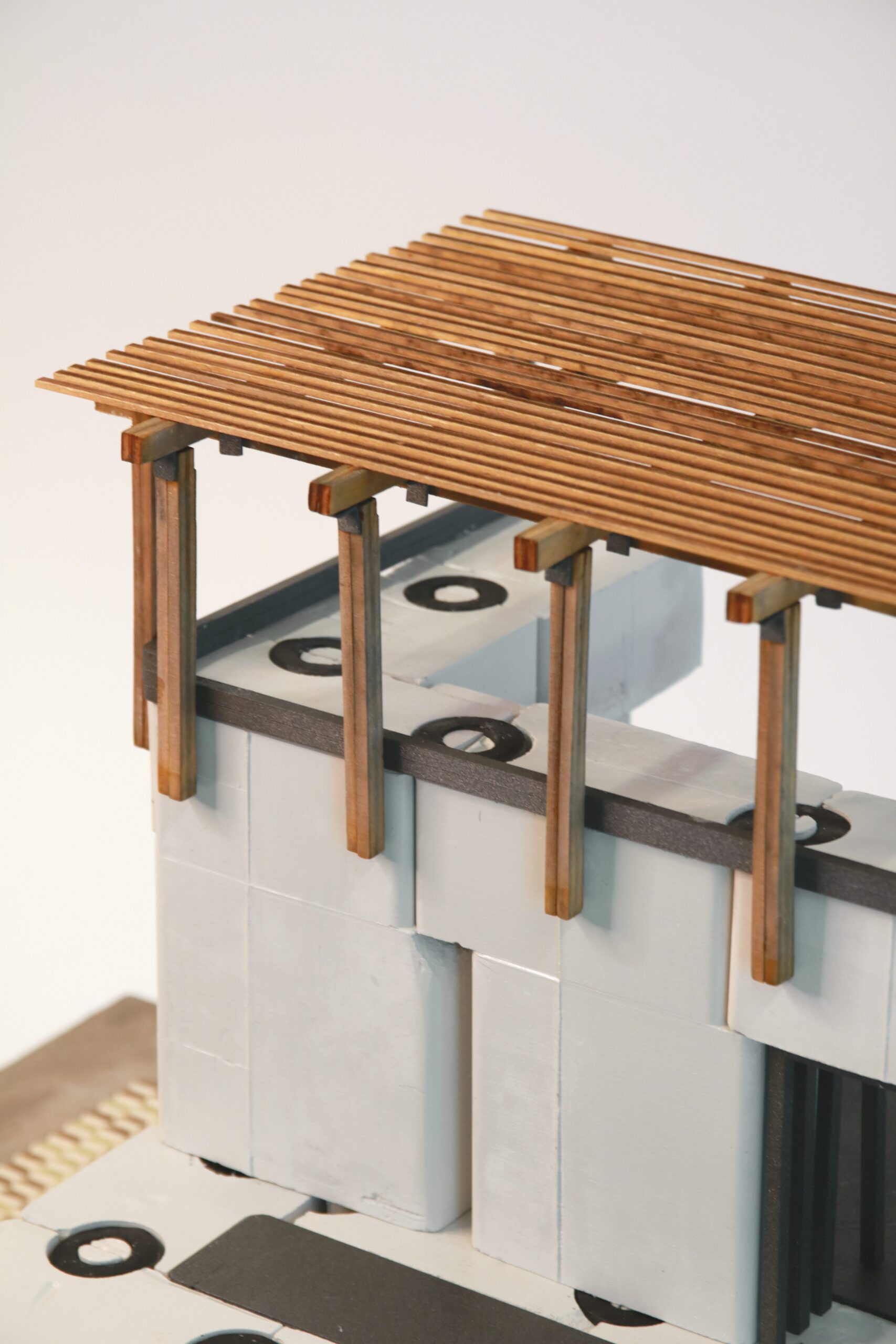
The second action is all about assembling materials to create space. Using the common catalogue, you will draw, design and build a 1:20 fragment that will reflect on what makes space. Taking inspiration from precedents, practices and research on assembling materials in three dimensions, you will create a part of an architectural structure. Each assembly will engage with archetypical structural elements within a building such as floor, wall, roof, facade, providing a solution for how enclosure, support, and aesthetic appeal can be managed. Input, workshops and tutorials will provide an insight into how to draw, visualise and detail the designs.
Action 3: PRACTICE
What is the goal of the practice? What will it design? What is the program? Where is it located? How will it relate materials and their assembly to a context? How can it envision building again?
In the last action, two students will form a practice. Each practice will design a building / a place. The practice defines its own location and program. If it is repurposing an existing building, creating a “new” building or a bit of both. Each practice will, through its design, reflect on how future buildings can be adapted or built from mostly existing materials/fragments and how they can relate to their context. The chosen approach will have its starting point in the previous two actions. Through the design, the practice will showcase a vision for how we can build again.
STUDIO: ENVIRONMENT
Participants in the studio will collectively engage with topics brought forward by initiatives like https://www.houseeurope.eu/, while studying examples from architects and offices such as Jo Taillieu Architecten, Superuse Studio, Lendager, Pihlmann Architects, Herzog & de Meuron and Josef Plecnik. The studio emphasises creative exploration combined with critical analysis of existing projects/research while implementing lessons learned into design work. Participants will refine their ability to focus on essentials, filter relevant information and enhance personal working methods, including self-organisation and collaboration within teams. These tools and methods aim to foster both independent and collective learning while encouraging creativity and critical thinking. The studio will be a mix of informal design crits, discussions, presentations and workshops to guide you in the design process.
The studio will be taught mainly on Thursdays (with the exception relating to workshops and around public holidays) and in English | German.
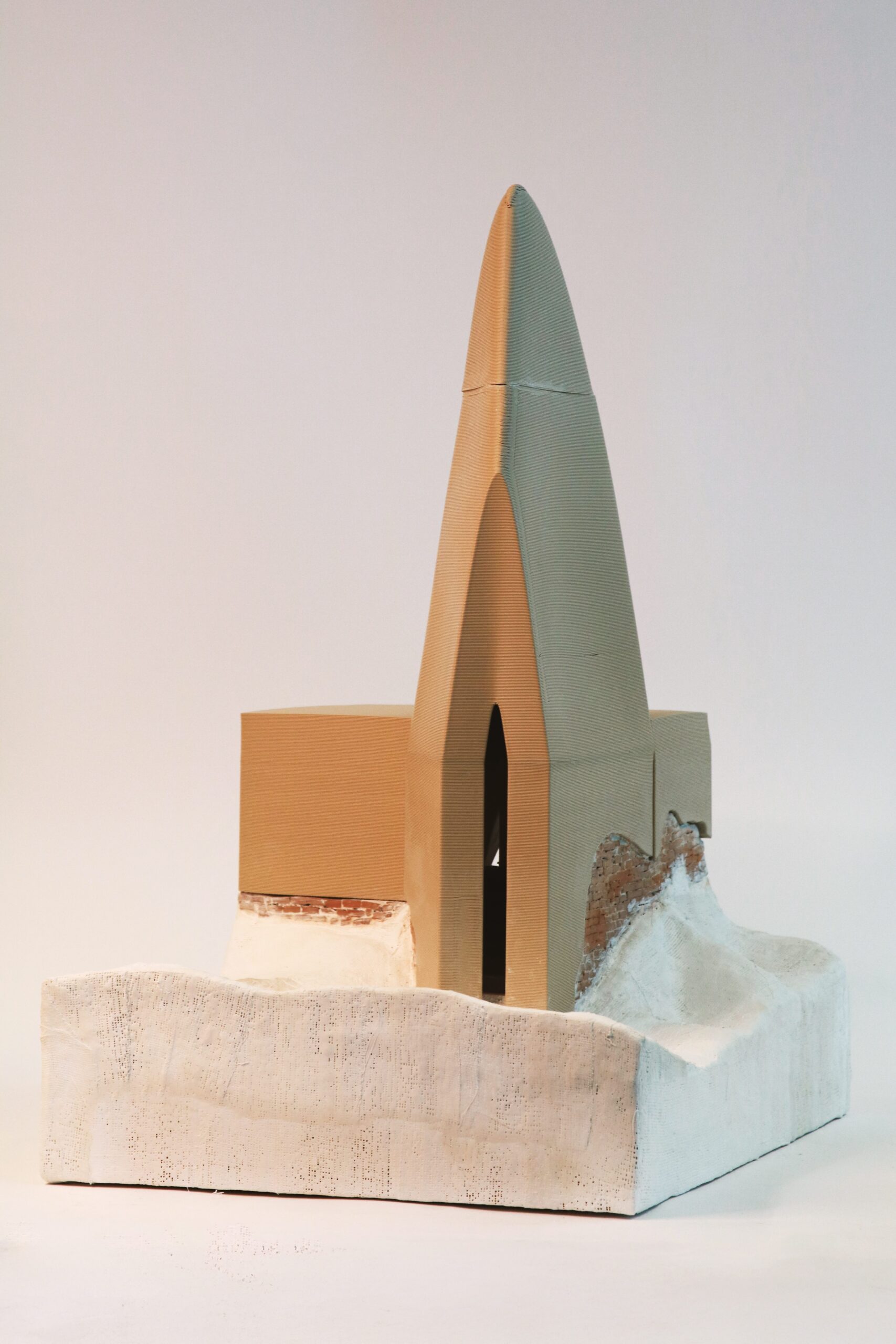
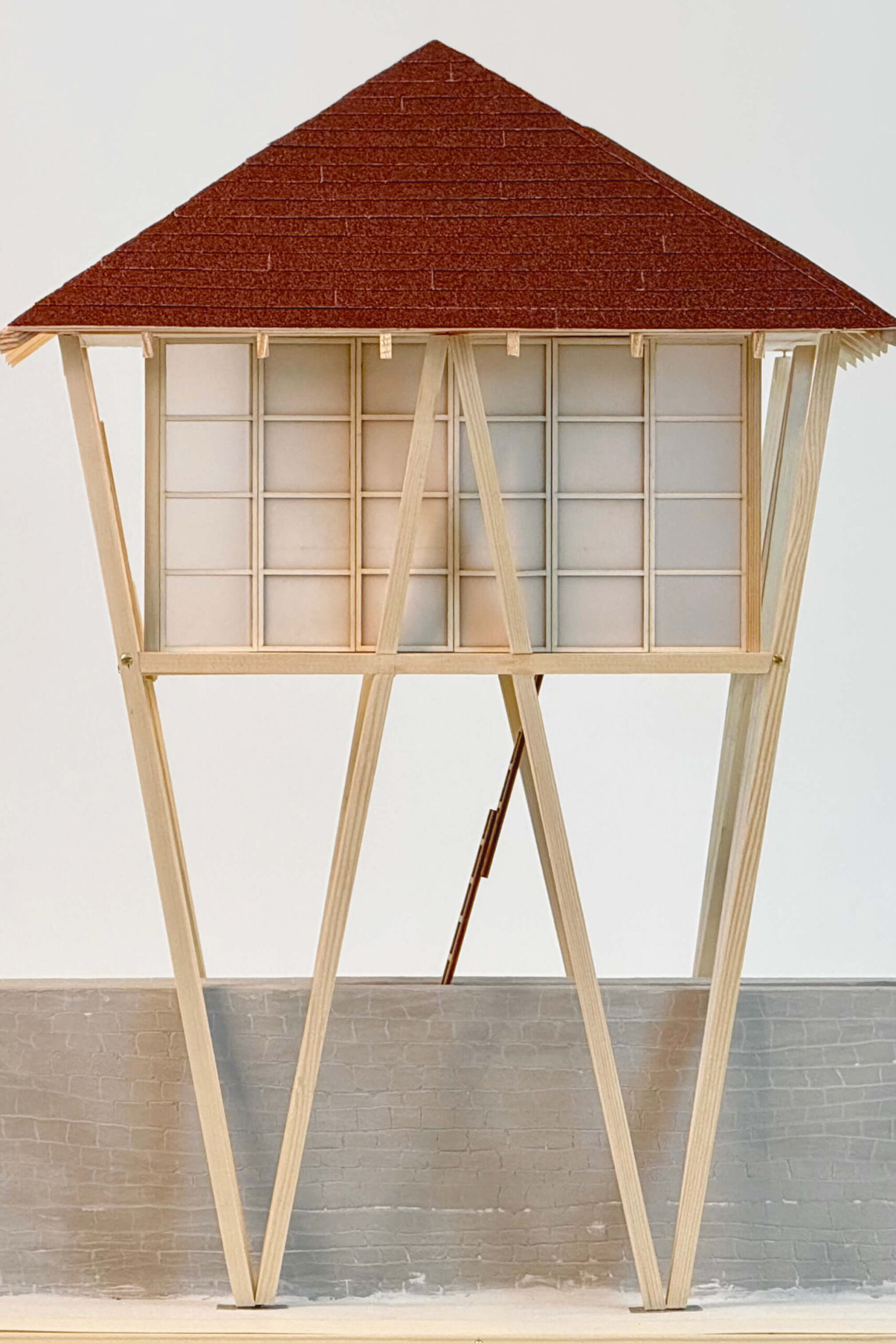
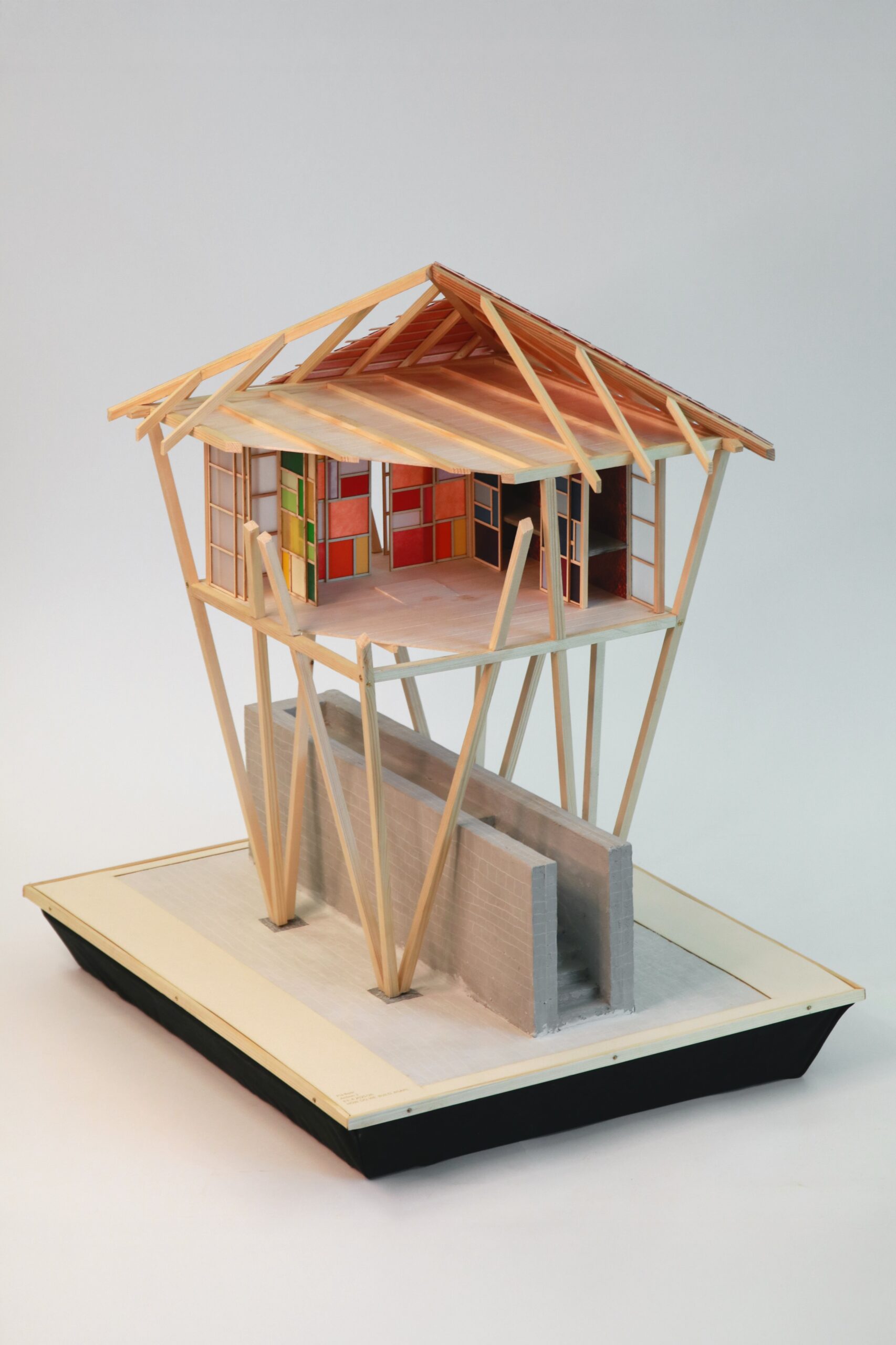
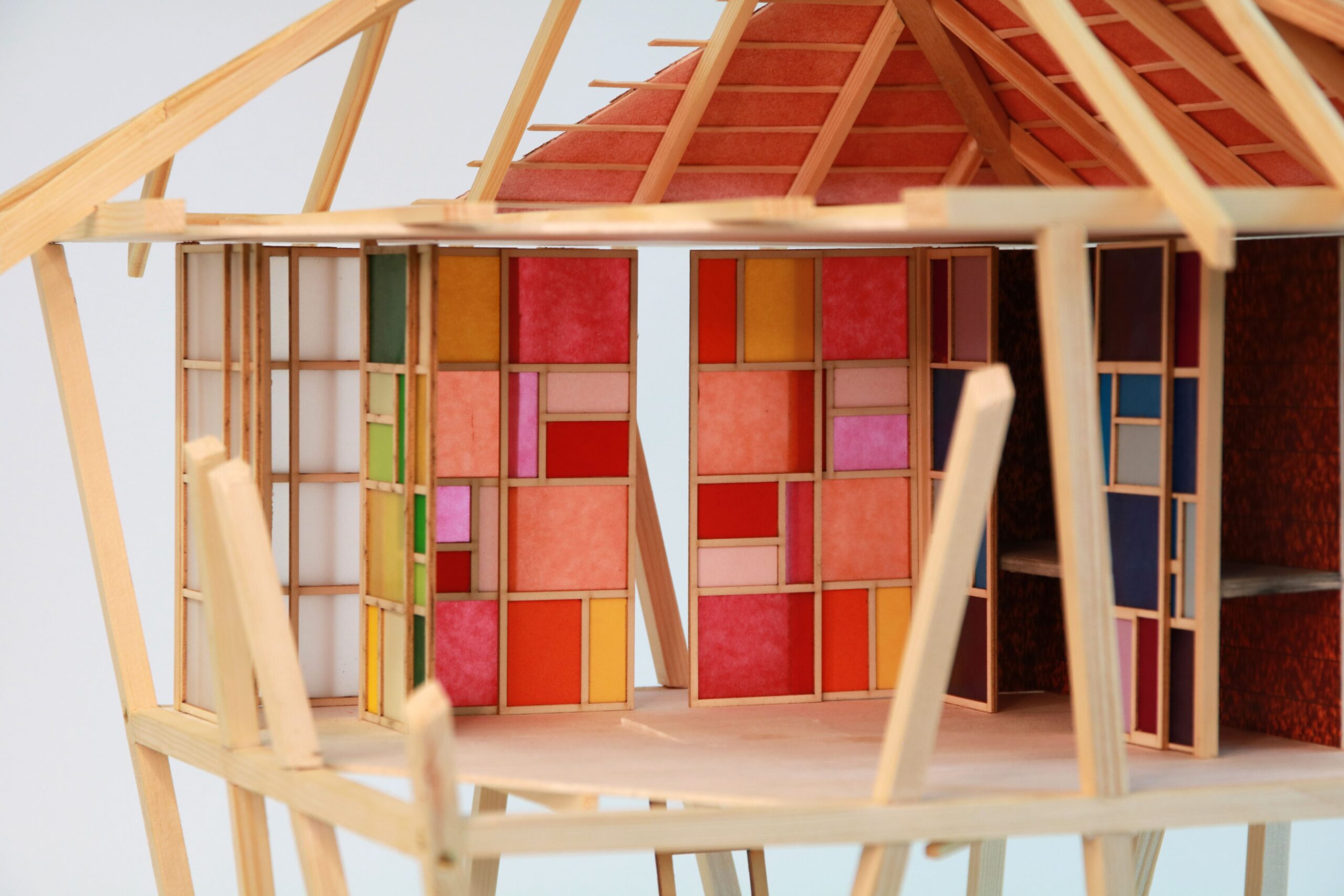
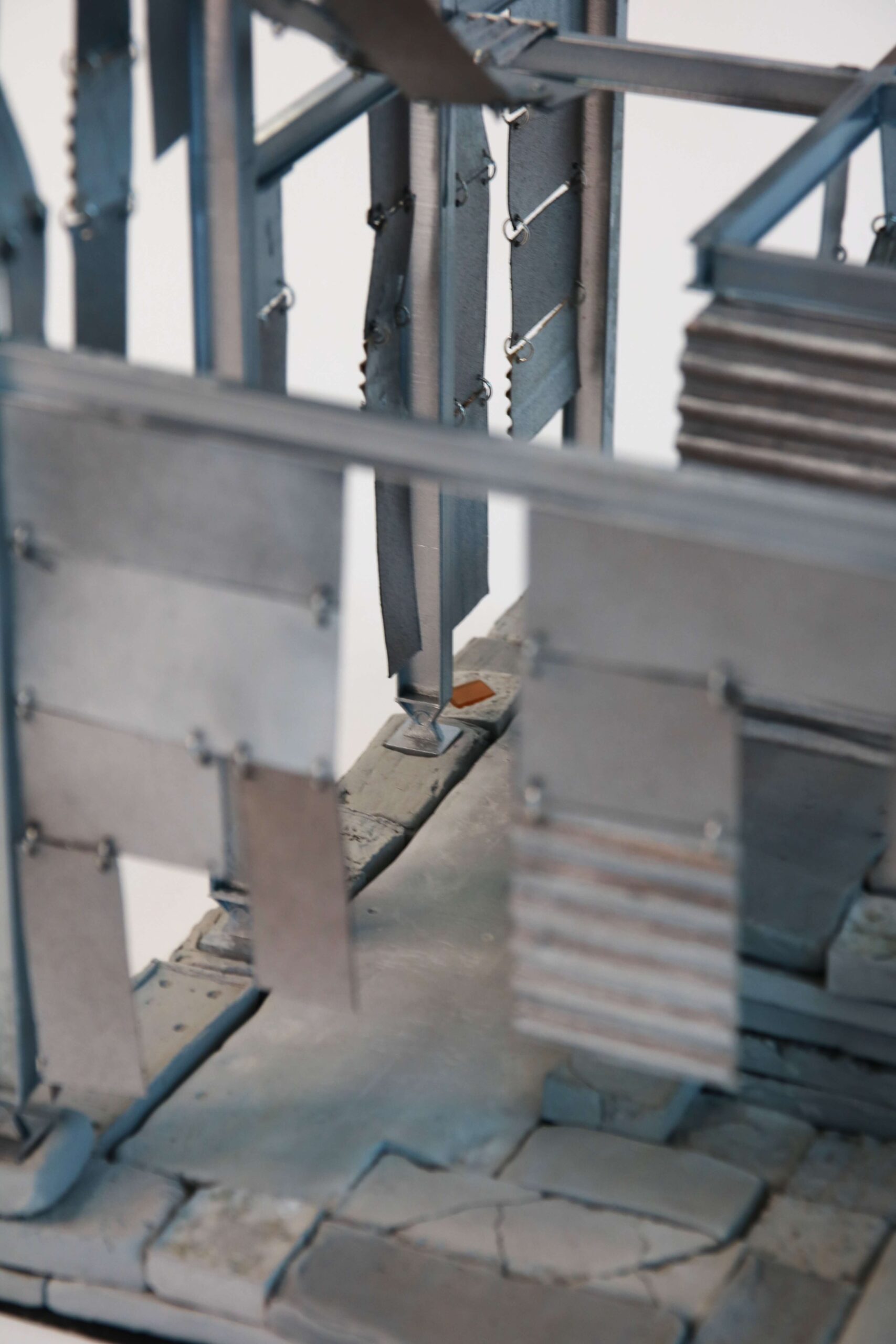
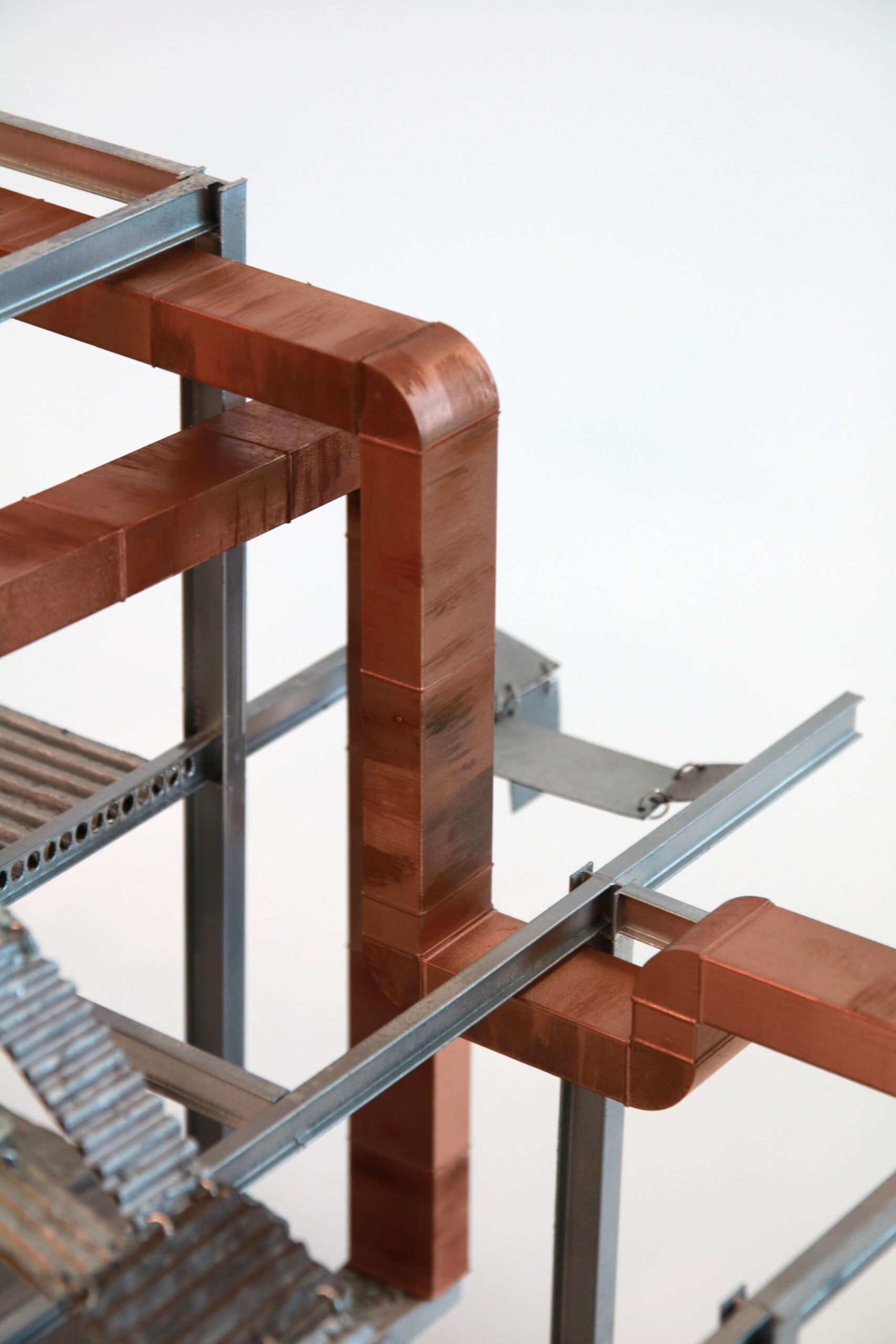
At the end of January, we closed off Action 1 and Action 2 with reviews by our guests Barbara Imhof (IDE), Maxence Grangeot (EPFL), Charlotte Thorn (Hochbau), Fabian Partoll and Muchen Yan (is.d). The students presented the fragment they designed using materials and techniques analysed in Action 1 through crafted models and drawings.
Students:
Pia Beer, Alberto Cesaro, Hannes Deinzer, Jordi Flammang, Noam Gewitsch, Luis Gstrein, Marie Hilgers, Noah Jegelka, Marie Jurzig-Wetterkamp, Anna Kleber, Luca Kreisel, Rebecca Mair, Luis Seethaler, Maximilian Strohmayer, Nina Thurn, Lina Weixelmann, Pit Bernard.
Studio taught by Mathias Bank & Layla van Ellen
Student assistant: Florenz Marks